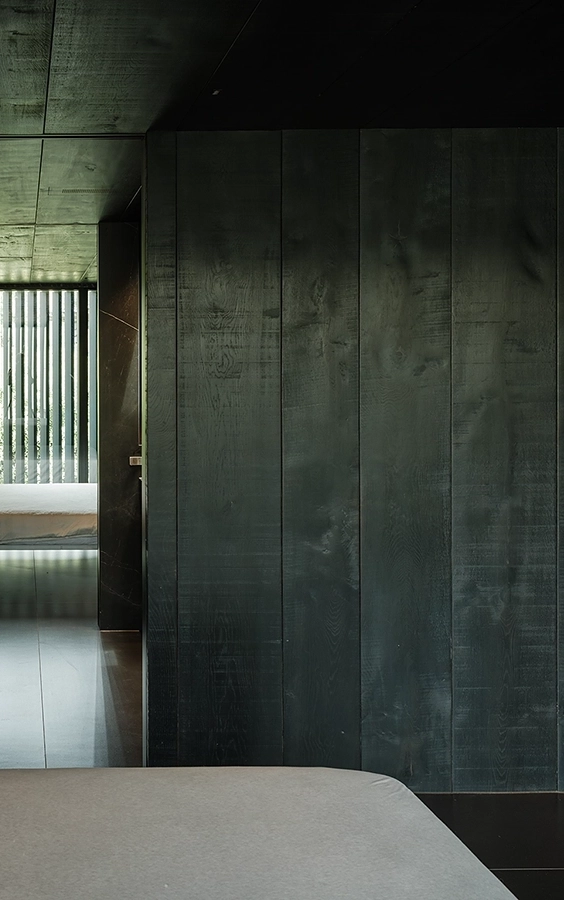
Explore our suite of timeless colours across limitless wooden applications.
Browse Now
.webp)


We are dedicated to exploring the inherent beauty of timber in its most honest form. Its marks, variations, and nuances that tell a story of growth, time, and transformation.
And if character is what you see, texture is what you feel.
It’s the surface story; the tactile language of timber that invites touch, catches light, and reveals the hand of both nature and maker. Texture brings timber to life in a different way. It’s not just visual – it’s sensory and it asks to be experienced.
In this chapter of Celebrating Imperfection, we explore texture – the raw, refined, and sometimes unexpected finishes that give timber its depth, dimension, and soul.
As wood naturally dries and ages, the softer grain can recede while the denser grain and knots remain more prominent, creating a gently undulating surface. If left unsanded, the result is an organic, deeply authentic texture – one that feels as honest as it looks, with a tactile richness underfoot or beneath the palm that simply can’t be replicated.
For those who truly understand timber, this is where its beauty reveals itself. It’s a finish that invites touch, rewards attention, and speaks to a quieter kind of luxury. Grounded not in perfection, but in depth, character, and time.
.webp)
Manukard Gard by Cassells Green + Mason & Wales | Hand Grade Galway Plank
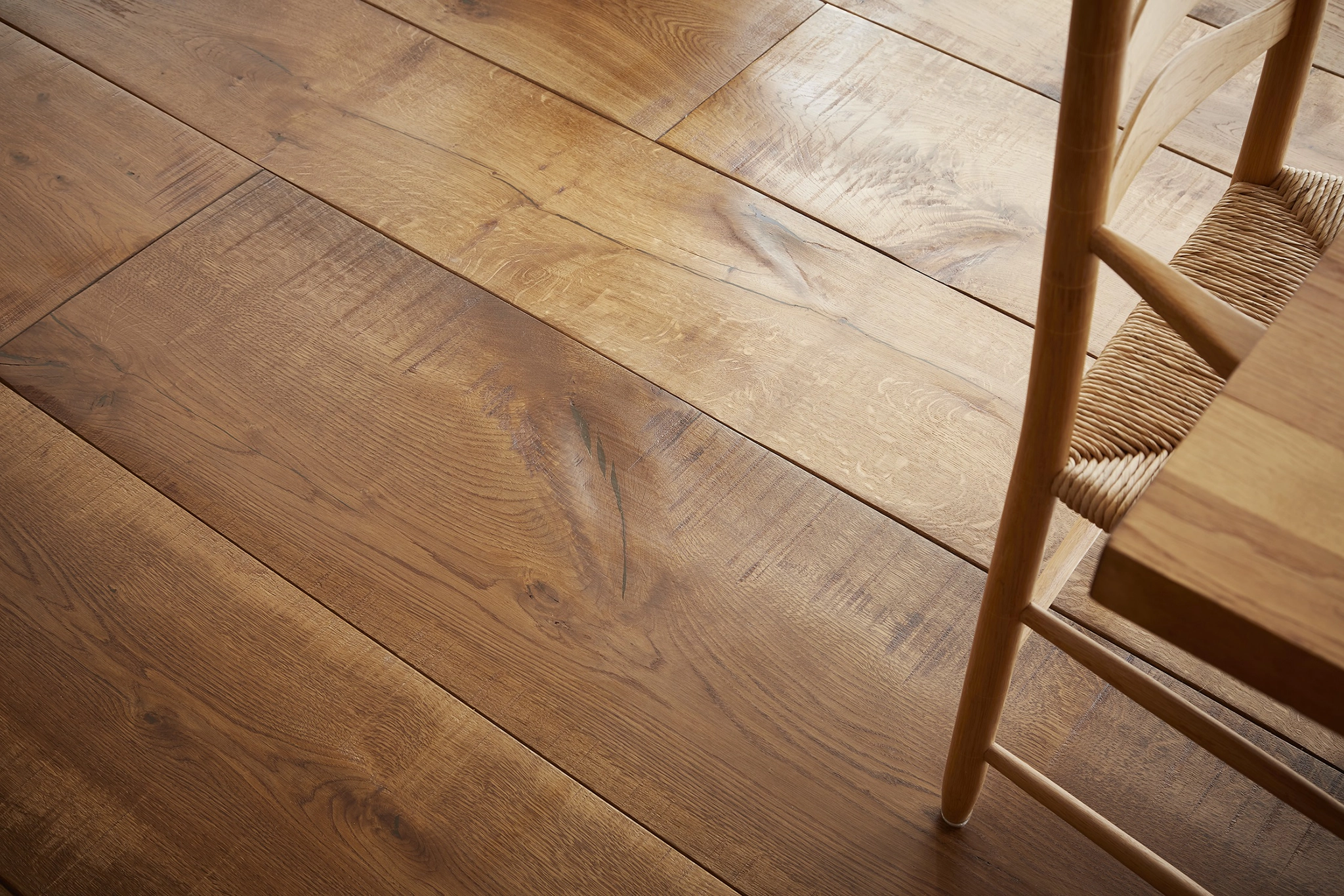
Bandsaw marks are a celebration of making. Left intentionally visible, these subtle linear patterns are created during the cutting process, where the blade passes through the timber. Rather than sanding them away, they’re embraced – capturing a moment in the material’s transformation from raw log to refined surface. They add rhythm, direction, and industrial honesty.
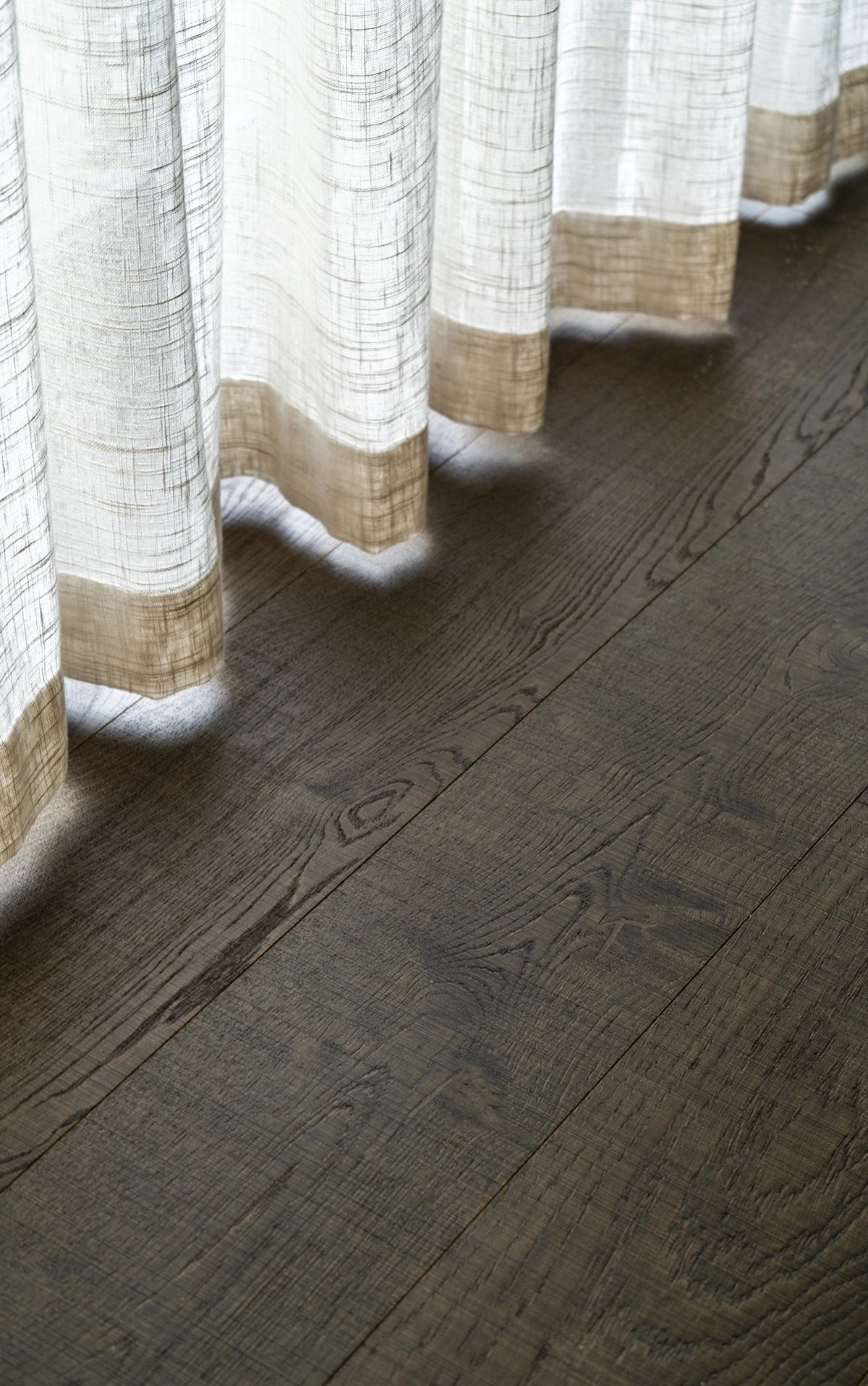
Levin Residence | VidaPlank Peat Rustico Timber Flooring
.webp)
The Bunker House by Chris Tate Architecture + Luxe Design | Hand Grade Consul Timber Flooring
Deep brushing is a technique that enhances what’s already there. By removing the softer fibres of the wood, the natural grain is accentuated, leaving behind a richly textured surface that’s both tactile and visually striking. The contrast between high and low points creates movement, shadow, and depth.
The result is a finish that feels alive under hand and foot, drawing out the true essence of the timber rather than masking it. It’s a considered balance of refinement and rawness – where craftsmanship works in harmony with nature to reveal something more expressive, more dimensional, and unmistakably real.
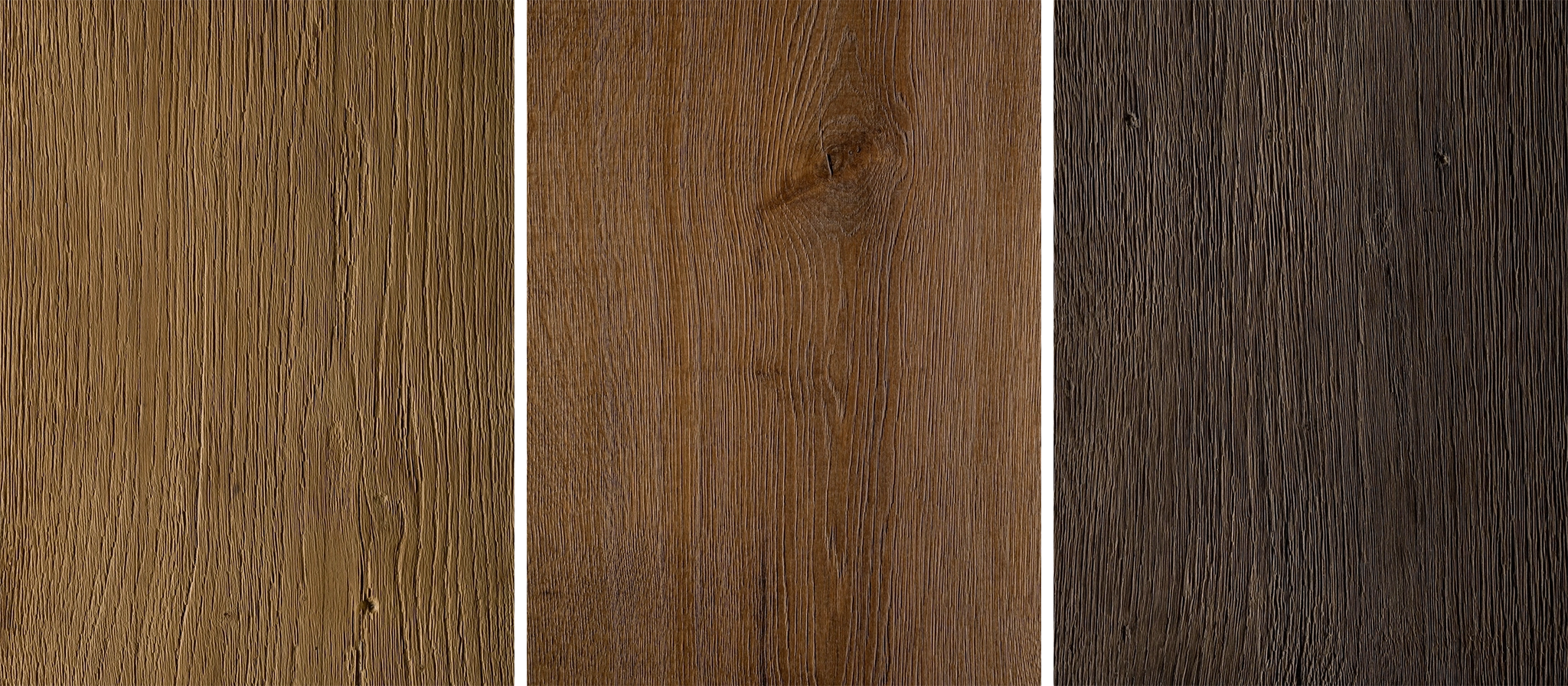
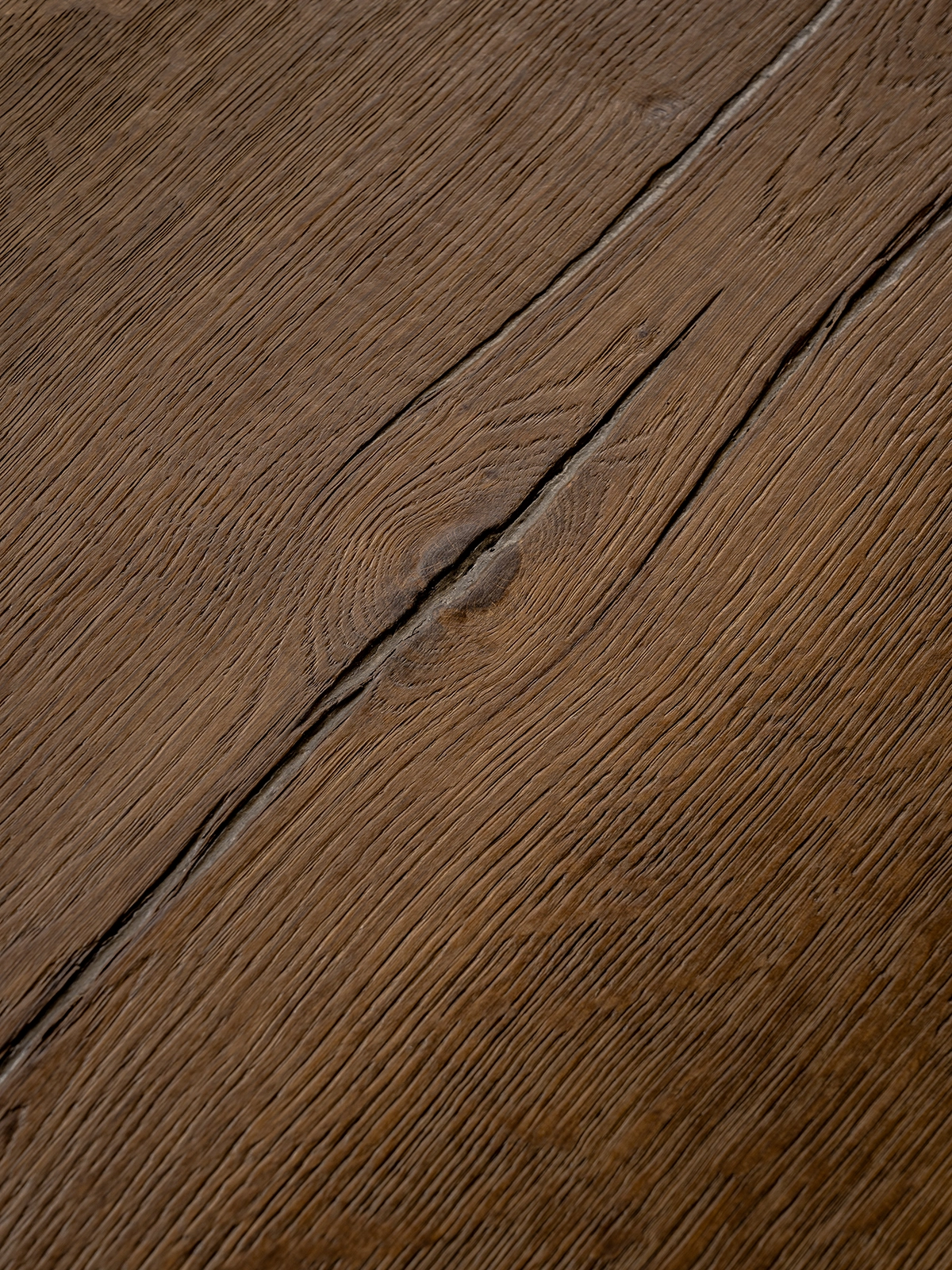
Cracks are a natural expression of timber’s response to its environment. As wood expands and contracts with changes in temperature and humidity, it can form splits or checks. These are not weaknesses – they’re signs of a living material adapting over time. Each crack is unique. Unpredictable. Entirely unrepeatable.
.webp)
Queenstown Hotel by Y — 6 | Vintage Harlem Timber Veneer
Bow ties (also known as butterfly joints) are where history and craftsmanship intersect. Traditionally used to stabilise cracks and prevent them from spreading, these carefully inlaid timber pieces serve a functional purpose. But they also bring a distinct visual feature, contrasting shapes that highlight, rather than hide, the imperfection. It’s a centuries-old technique that turns repair into design.
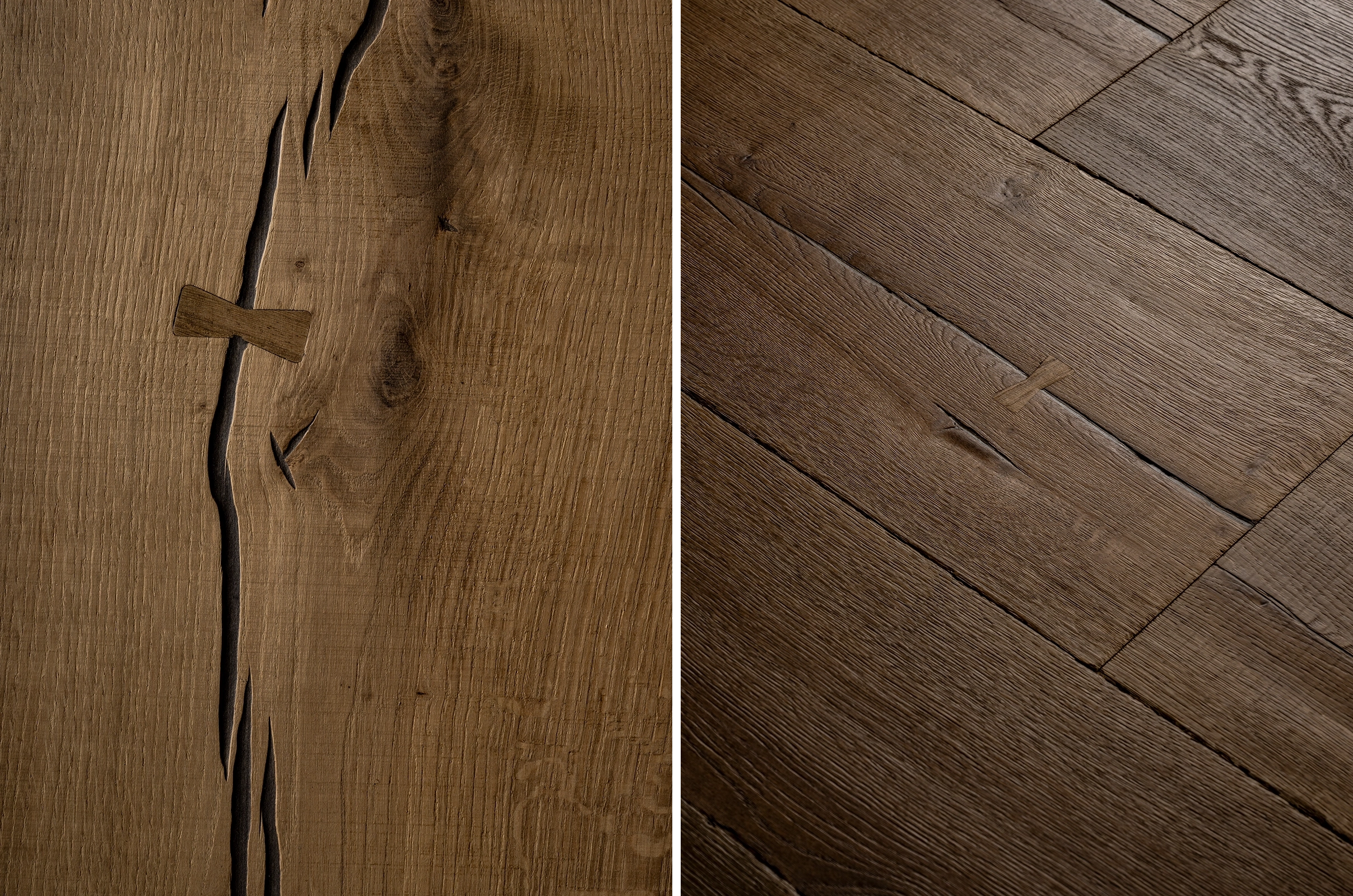
Cobbled edges introduce a sense of softness and irregularity to timber surfaces. Rather than clean, straight lines, edges are gently rounded and uneven – echoing the worn contours of aged wood shaped by years of use. The effect is relaxed, tactile, and inviting. It feels lived in. Effortless. Human.
.webp)
Matakana House by Dorrington Atcheson Architects | Custom Jutland Timber Flooring
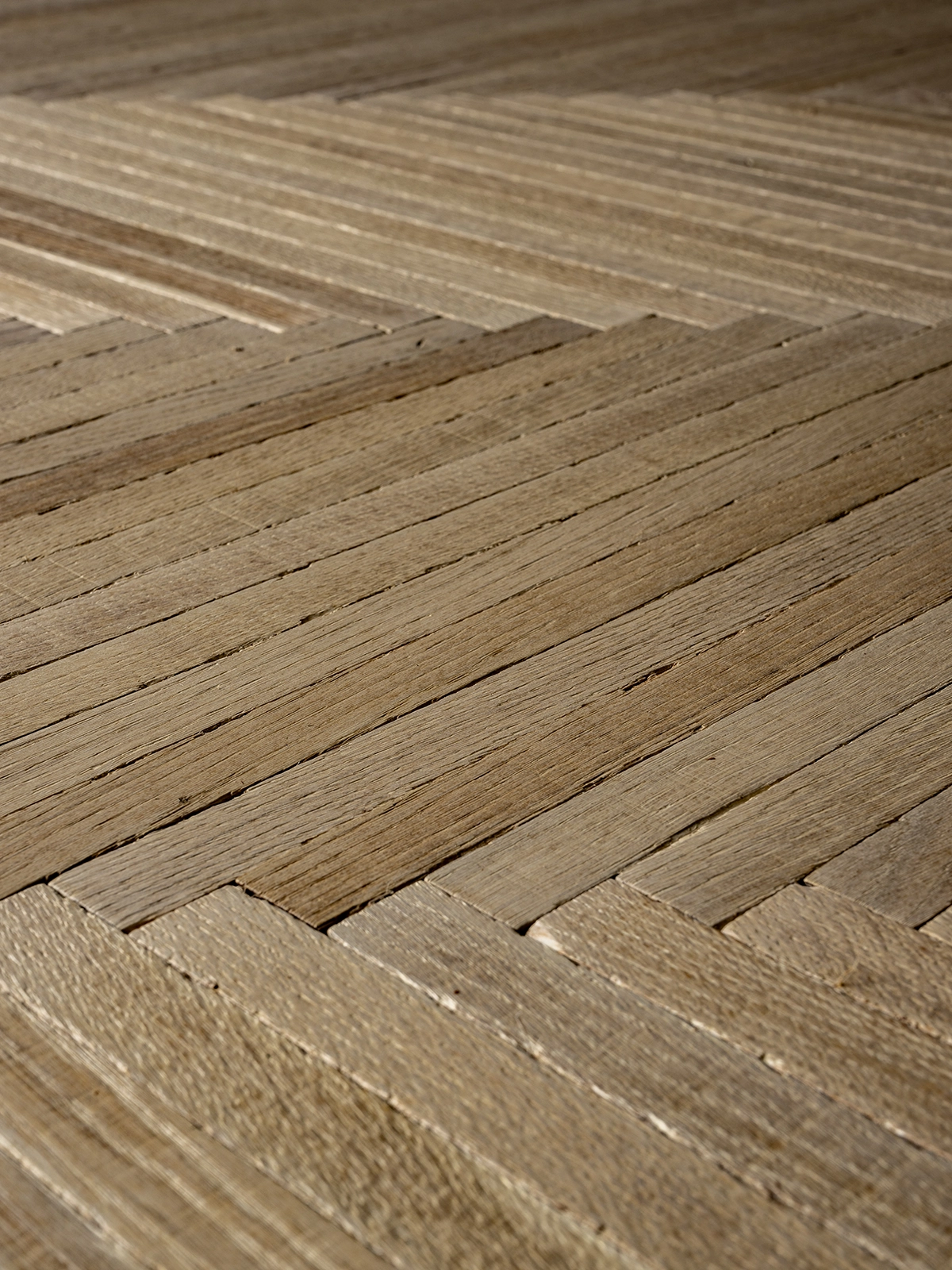
Texture is what draws you closer. It’s what makes you run your hand along a surface without thinking. What catches the light at different times of day. What gives timber its genuine depth and undeniable presence.
In embracing texture, we move beyond perfection as something purely visual. We begin to appreciate materials for how they feel, how they age, and how they connect us physically and emotionally to the natural world. Because beauty isn’t just seen. It’s felt.

Time to meet the marketing minds behind it all: The Content Crew – Ahlia & Liana, read their rapid-fire Q&A.
Read More.webp)
Before mechanised milling standardised timber into uniform widths and lengths, flooring was cut and laid according to what each log would yield, a board as wide as the trunk allowed, as long as the timber ran clean.
Read MoreElevate your interior with VidaSpace. Contact us and one of our team of trained interior designers will be able to guide you through the process.