Joinery • Wall + Ceilings • Curves • Furniture • Doors • Slats
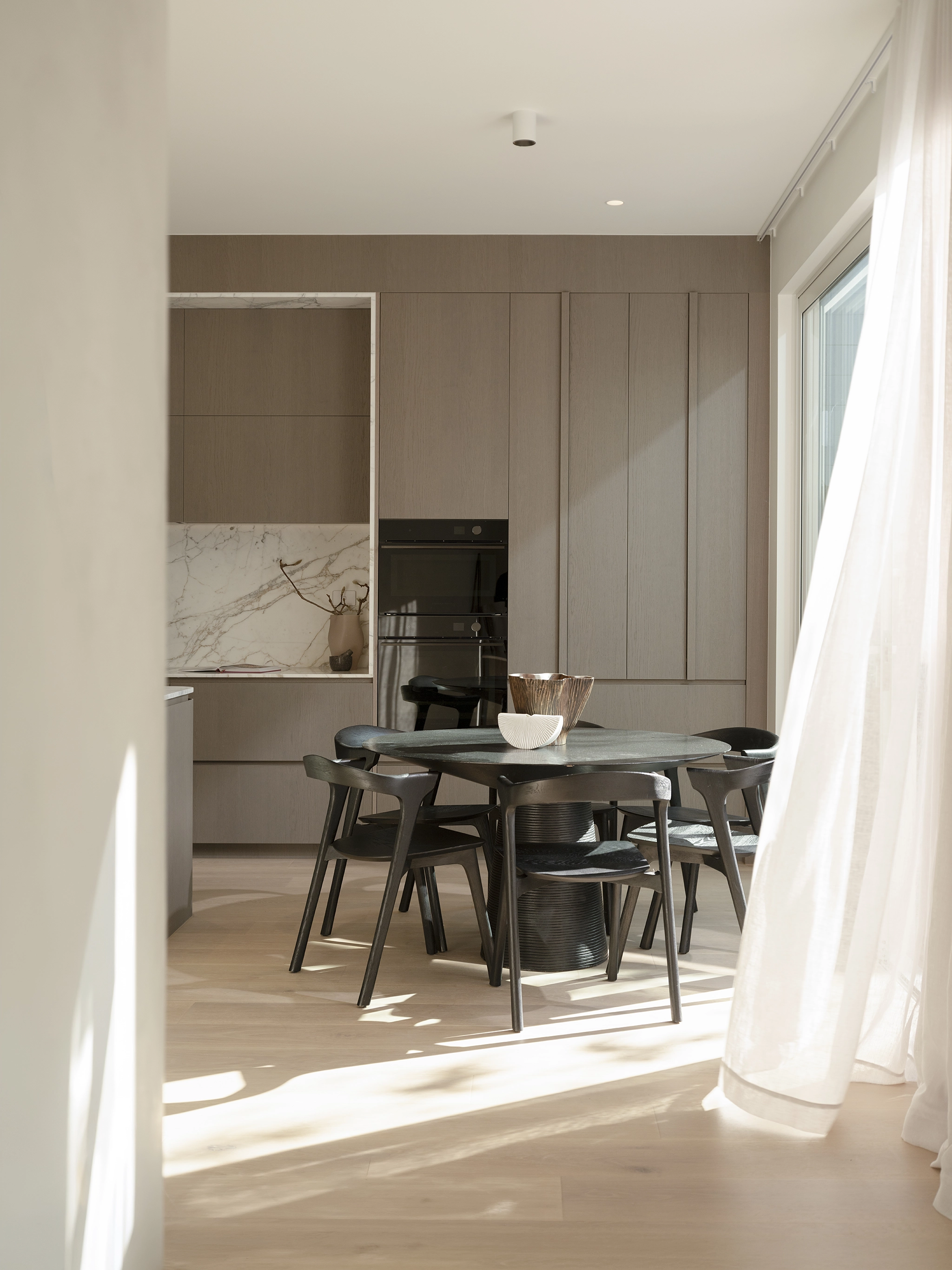
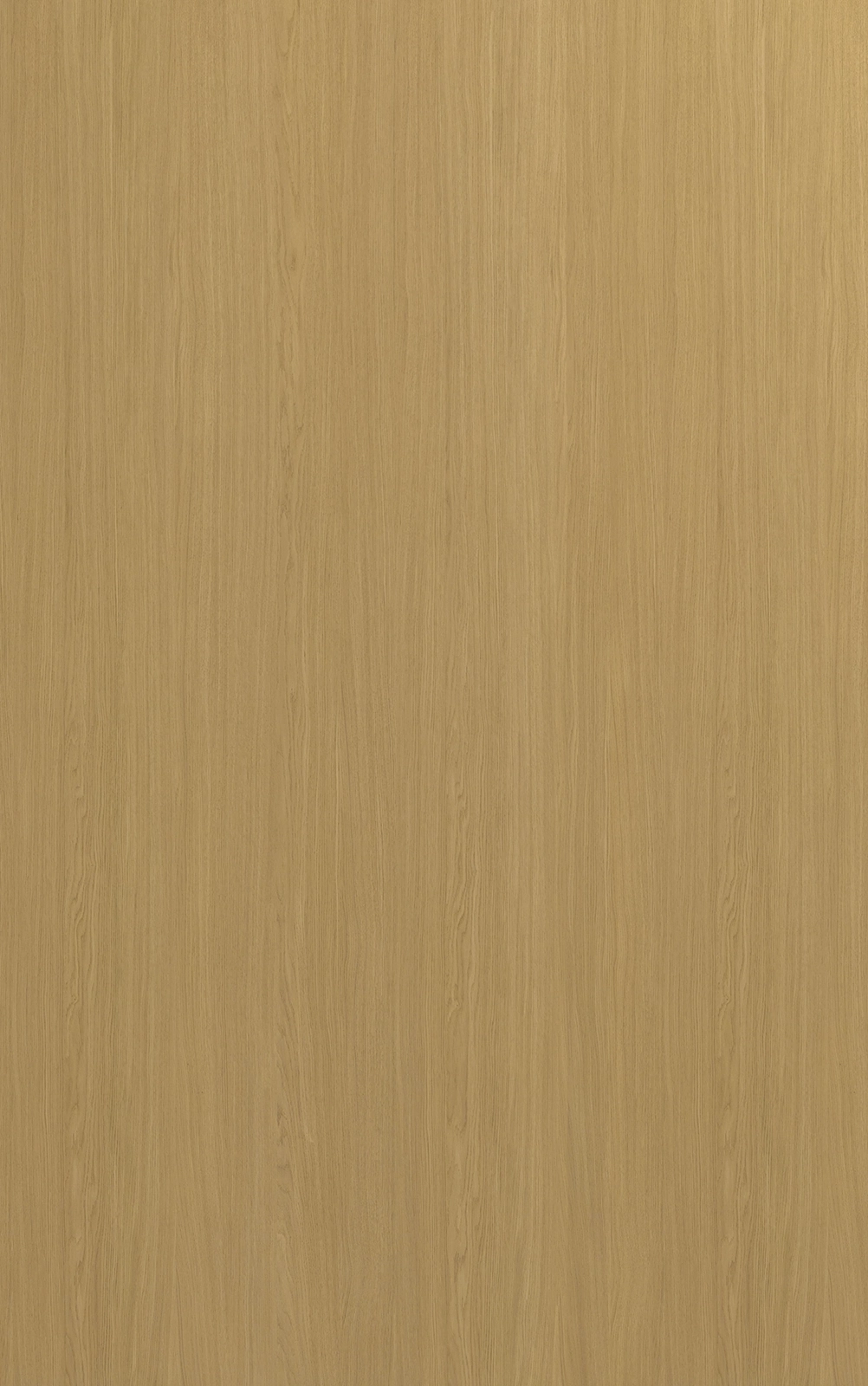
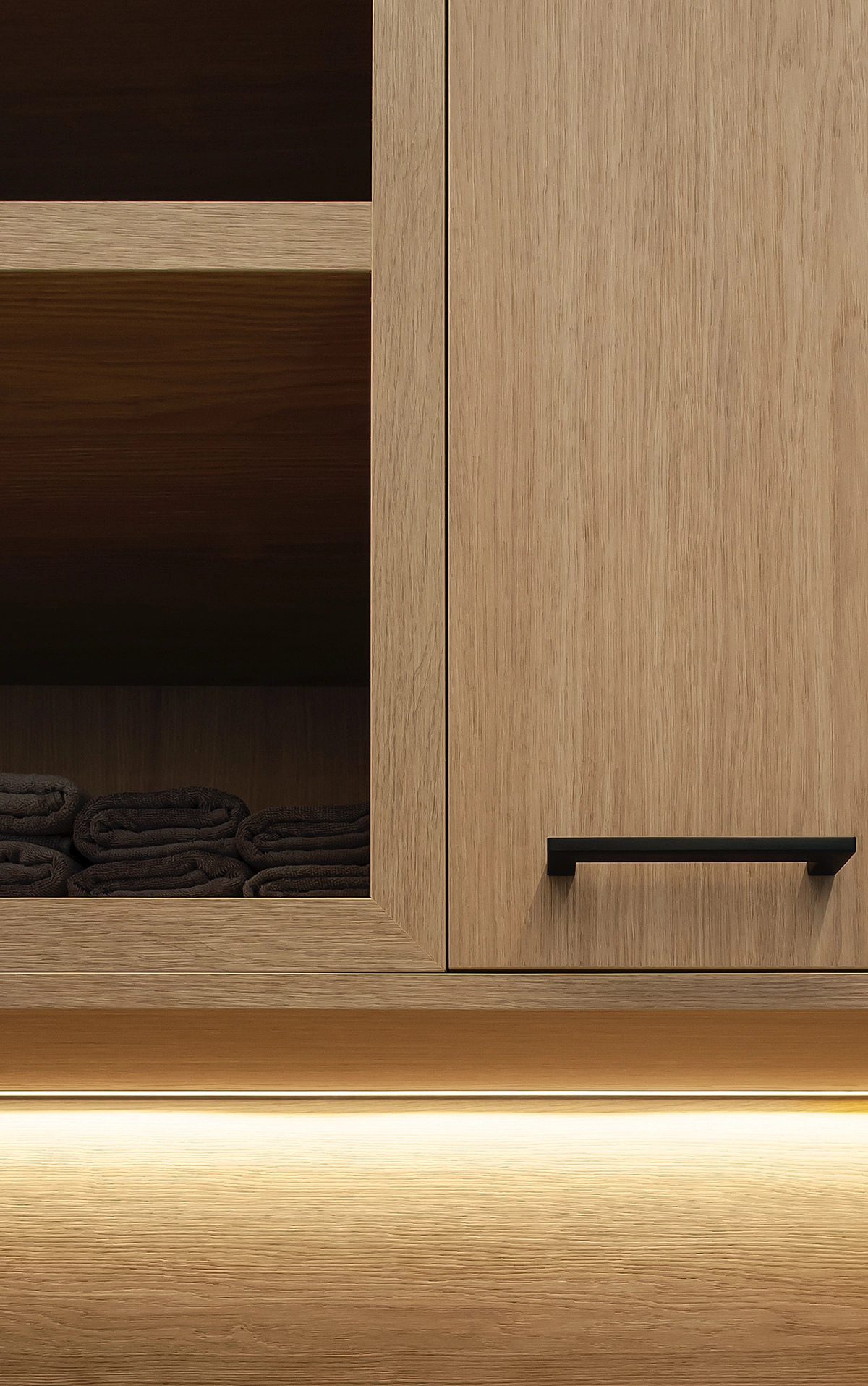
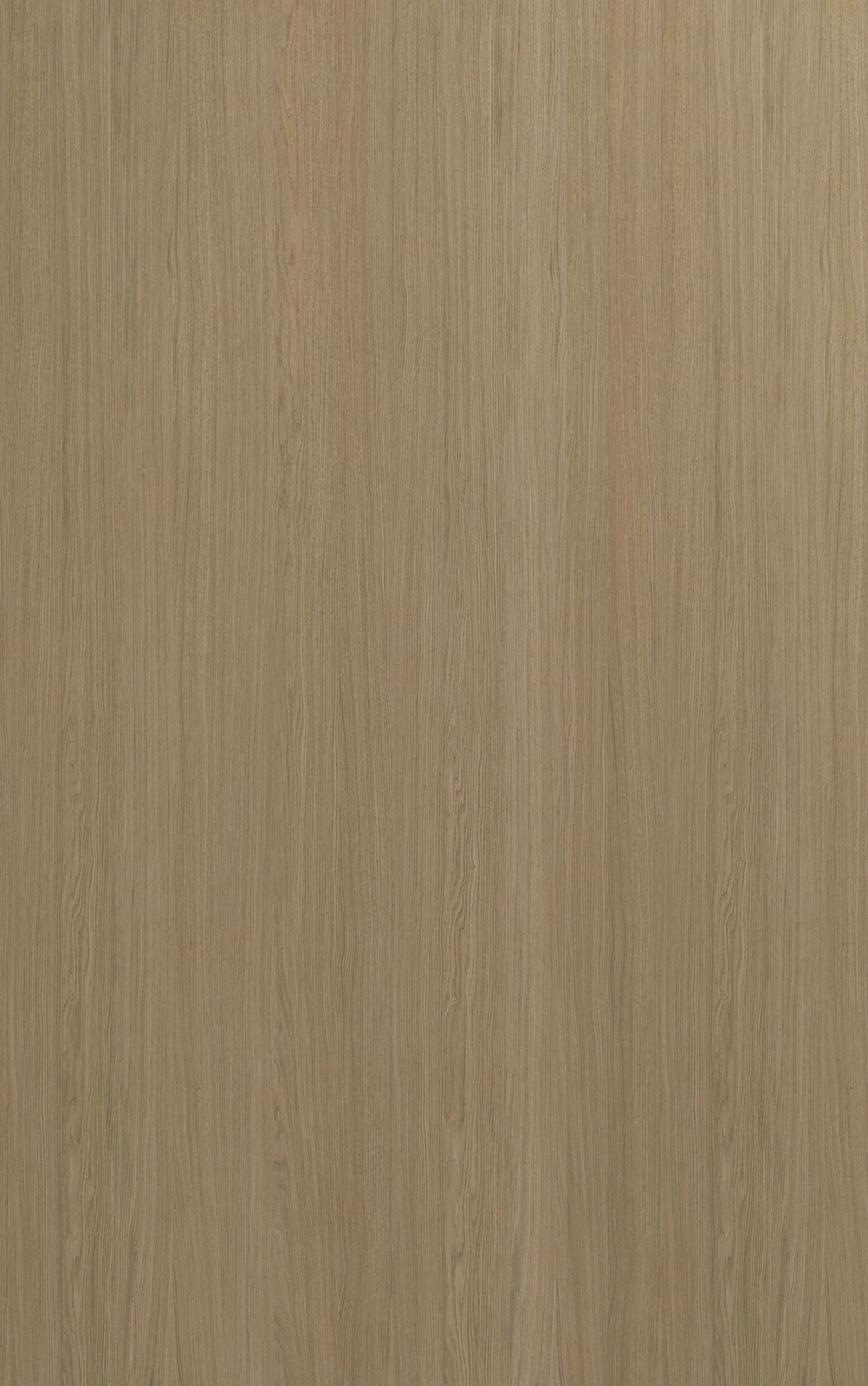
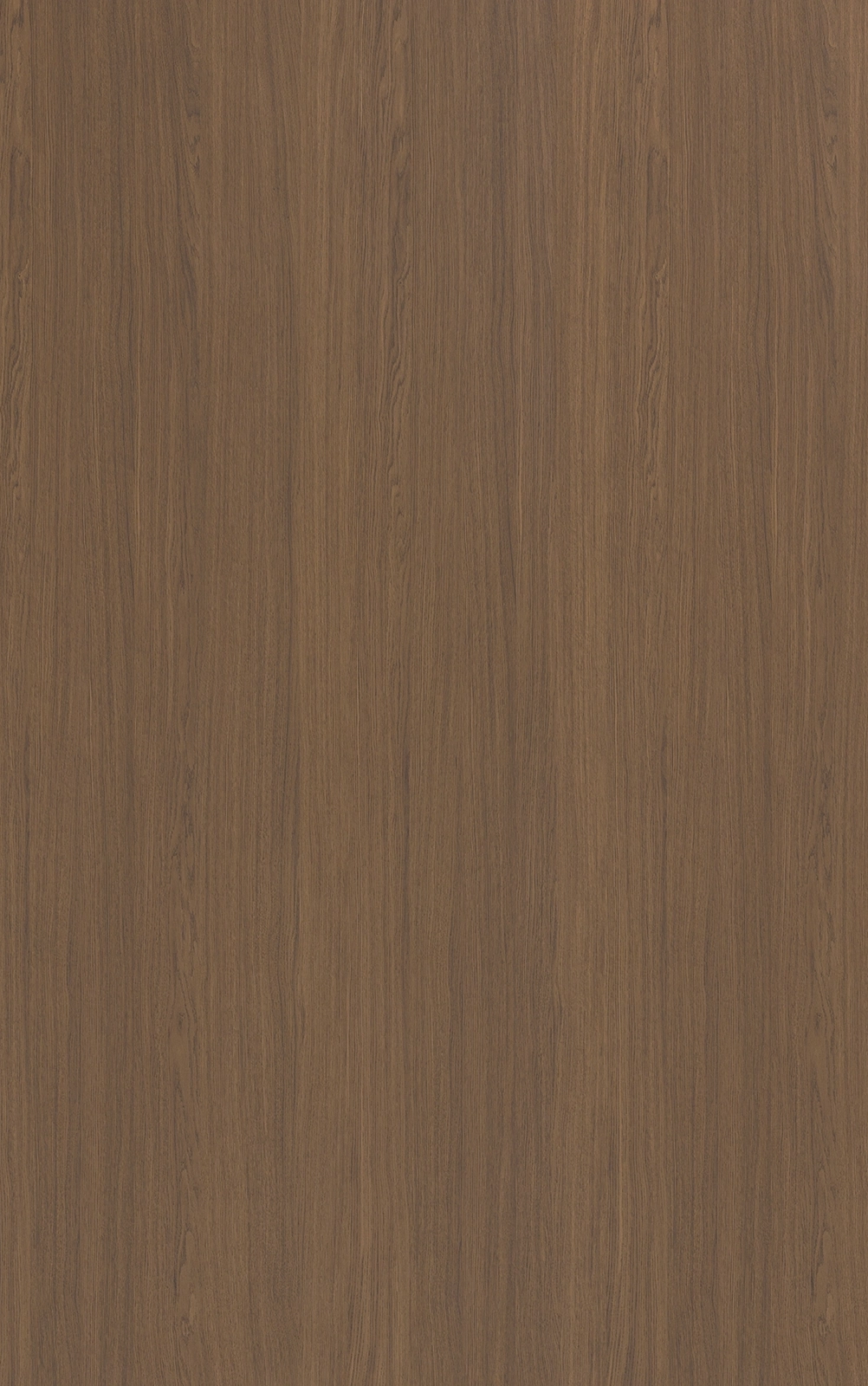
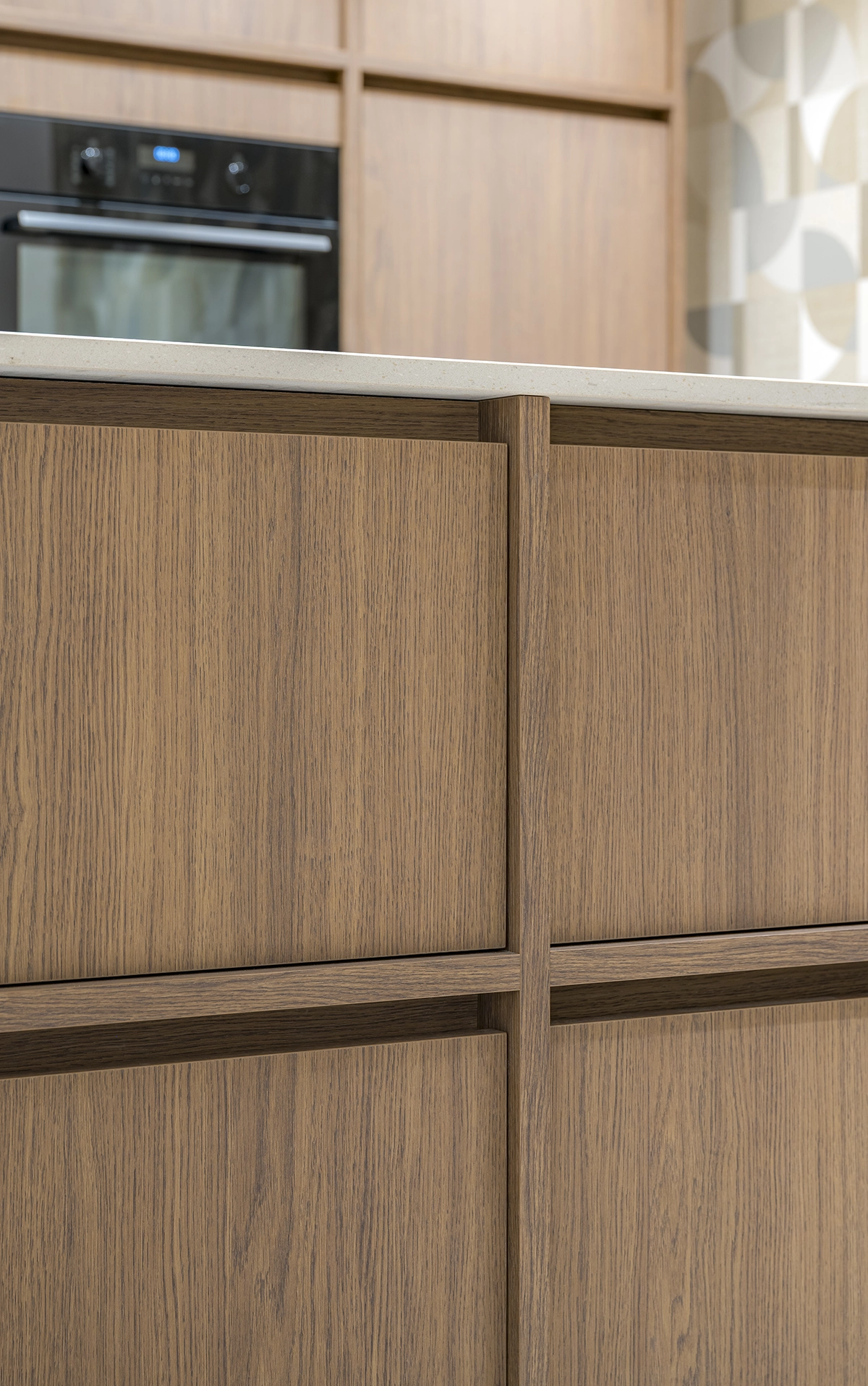
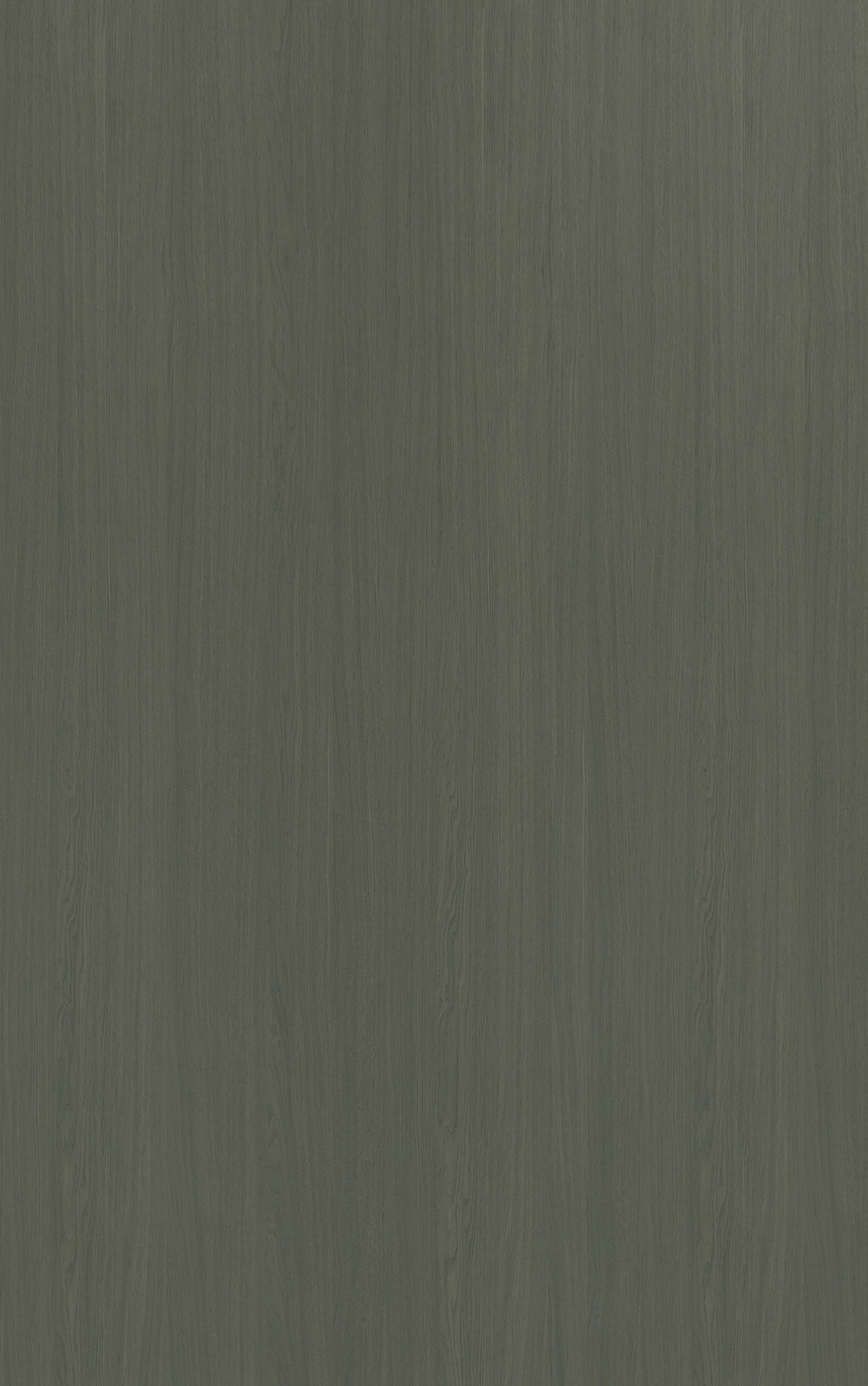
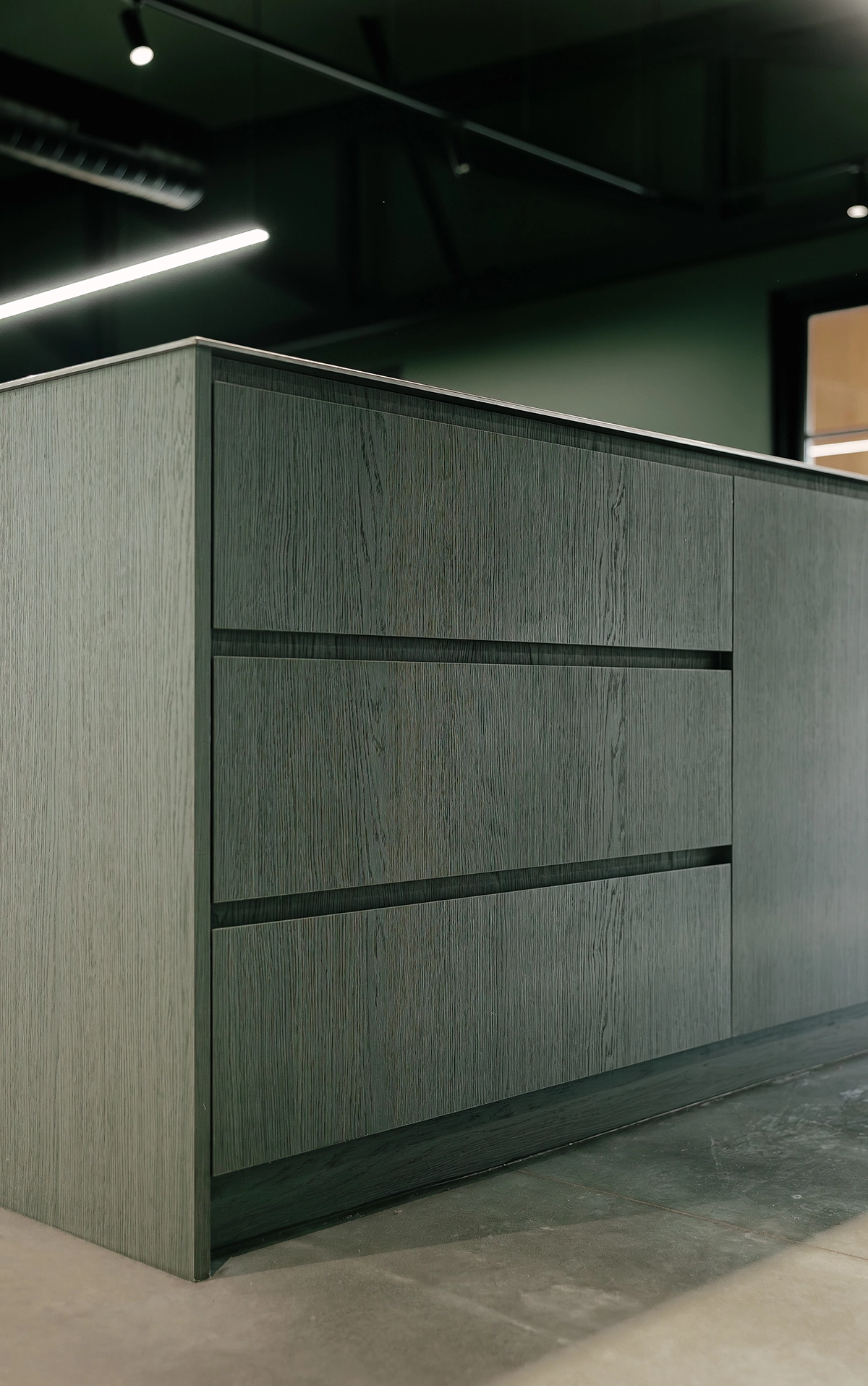
Introducing a wood look like no other. With Timber Touch Technology, every panel boasts a deep, brushed surface, synchronised grain, and rich, layered colours that look and feel totally authentic. Built to take on life’s knocks, crafted to bring the warmth of real timber into every space.

Forêt is a revolutionary handmade flooring and wall covering marquetry.
Discover how you can personalise your own design with the six interchangeable Forêt patterns that are ready to install plank by plank with seamless connection.
Opus by Oscar Ono is a unique handmade wooden surface that comes completely preassembled offering a unique endless wood pattern.
Opus is an organic endless pattern obtained with just one tile. Inspired by mosaico in Venice during ancient times, hidden repetition allows an easy multi-directional application, ready to install tile by tile with seamless connection.


Forêt End Grain Brick Mix

Forêt End Grain Cityscape Mix

Forêt End Grain Mix

Forêt End Grain Roof Mix

Forêt End Grain Square Mix
Explore the
ALT™ MasterOak
range below and order free samples.
range below and order samples.
range below and order online.
Born in nature, the beauty of our wood materials is that every single piece is unique. Find out what to expect from our various grades.


To order a sample of any of our products, click ‘Order a Colour Sample’ on any product page. If you are an industry professional and would like to order a full sample kit please reach out to our team at hello@vidaspace.co.nz or 0800 119 388
Most melamine or laminate panels have a design repeat. ALT™ MasterOak has no design repeat within the panel, which makes it one of the most realistic laminates on the market. Timber veneer panels do not have a pattern repeat as they are made from wood which is a natural material, although some veneer flitches can have similar grain structure.
Decorative wall panels can be installed near fireplaces or log burners, but because most are considered combustible materials, they must be installed outside the minimum clearances specified in AS/NZS 2918 and the New Zealand Building Code to ensure safe distances from heat sources.
Veneer is a thin slice of real timber applied to a substrate, while laminate is a decorative printed surface made from layered papers and resins pressed together under heat.
MDF is made from fine wood fibres compressed into a dense, smooth board. Plywood is made from thin layers of timber veneer glued together in alternating grain directions for strength. Particle board is made from wood chips and resin pressed into a board.
Some decorative panels use real wood veneer, while others use laminates or printed finishes designed to replicate wood, stone, or other textures.
The standard panels sizes in NZ are approximately 1200mm wide x 2400-3600mm long.
Laminate panels are made from layers of decorative paper and resin that are pressed together under heat and pressure.
High-pressure laminate is a durable decorative surface created by compressing multiple layers of resin-impregnated paper under high pressure and heat.
Laminate is typically a thicker, separate sheet that requires bonding to a substrate, while melamine is a thinner decorative paper fused directly to the board during manufacturing.
Decorative laminate is commonly used for cabinetry, wall panels, furniture, countertops, and commercial interiors.
Laminate contains resins and paper layers rather than solid plastic, though the surface behaves similarly to a durable synthetic material.
It depends on the application. Wood veneer offers the authentic look and feel of real timber, while laminate provides high durability and consistent finishes.
Fire ratings vary depending on the material, substrate, and surface finish. Some panels are available with tested fire performance suitable for commercial applications.
Veneer panels use real wood on the surface, while laminate panels use a printed decorative layer made from resins and paper.
Yes. Laminate panels are commonly used as decorative wall linings in residential and commercial spaces.
Yes. With appropriate fixing systems, laminate panels can be installed on ceilings as decorative finishes.
Yes. Laminate is widely used in kitchens because it is durable, easy to clean, and available in many colours and textures.
Laminate can be used in bathrooms when installed correctly and kept away from direct water exposure.
Yes. Laminate is commonly used in commercial environments because it performs well in high traffic areas.
Laminate is generally scratch resistant, though heavy impact or sharp objects can still damage the surface.
With normal use and care, laminate panels can last many years in both residential and commercial environments. Most warranties are 7-10 years.
Modern laminates are designed to resist fading, though prolonged UV exposure may gradually affect some colours.
Using a sharp fine-tooth blade, scoring the surface, and cutting slowly helps minimise chipping.
Yes. MDF is one of the most common substrates used for laminate panels.
Yes. Edge banding is usually applied to exposed edges to create a finished appearance and protect the substrate.
Yes. Laminate sheets can be bent and adhered around a curved substrate. Minimum radius will depend on the product.
Yes. Laminate surfaces are generally easy to clean and require minimal maintenance.
Yes. Laminate is often chosen for high-use areas because of its durability and low maintenance.
Yes, laminate panels can be glued to prepared wall surfaces using appropriate construction adhesives.
Yes, we can product custom made panels for larger-scale projects with a lead time.
Laminate has moderate heat resistance but should not be exposed to extreme heat without protection.


%20-%20Copy.webp)

%20-%2062%20x%2099.webp)
.webp)