








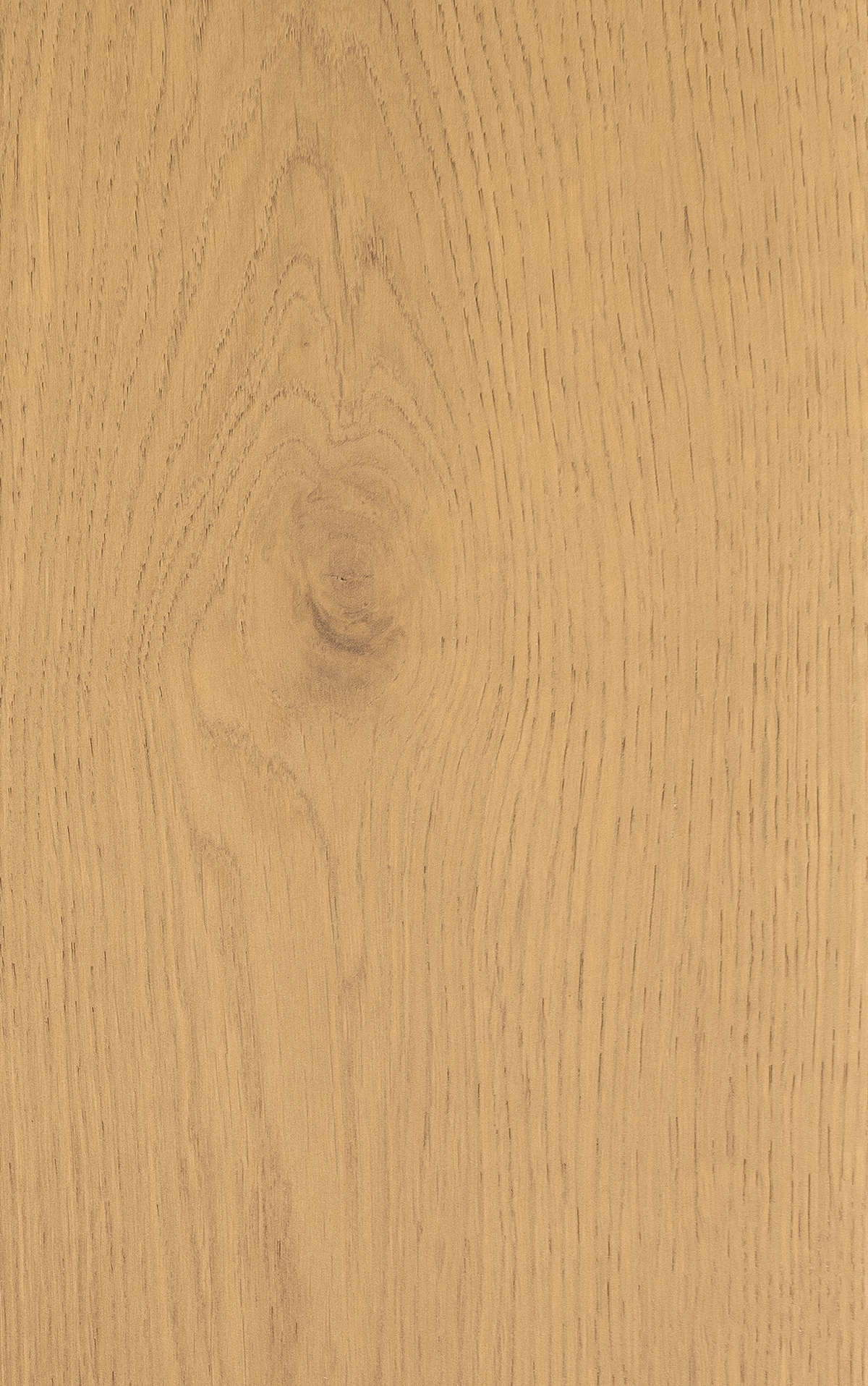
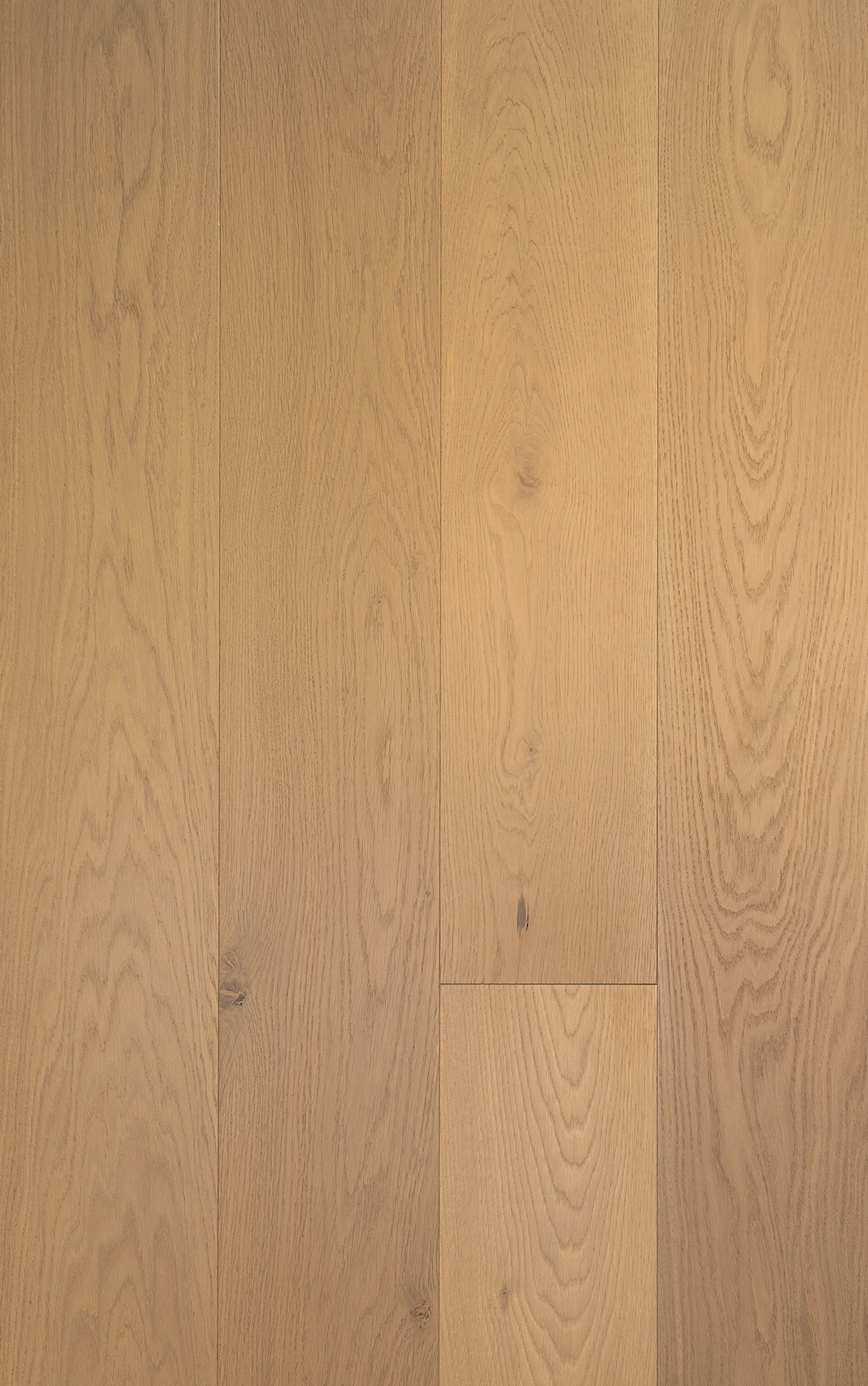


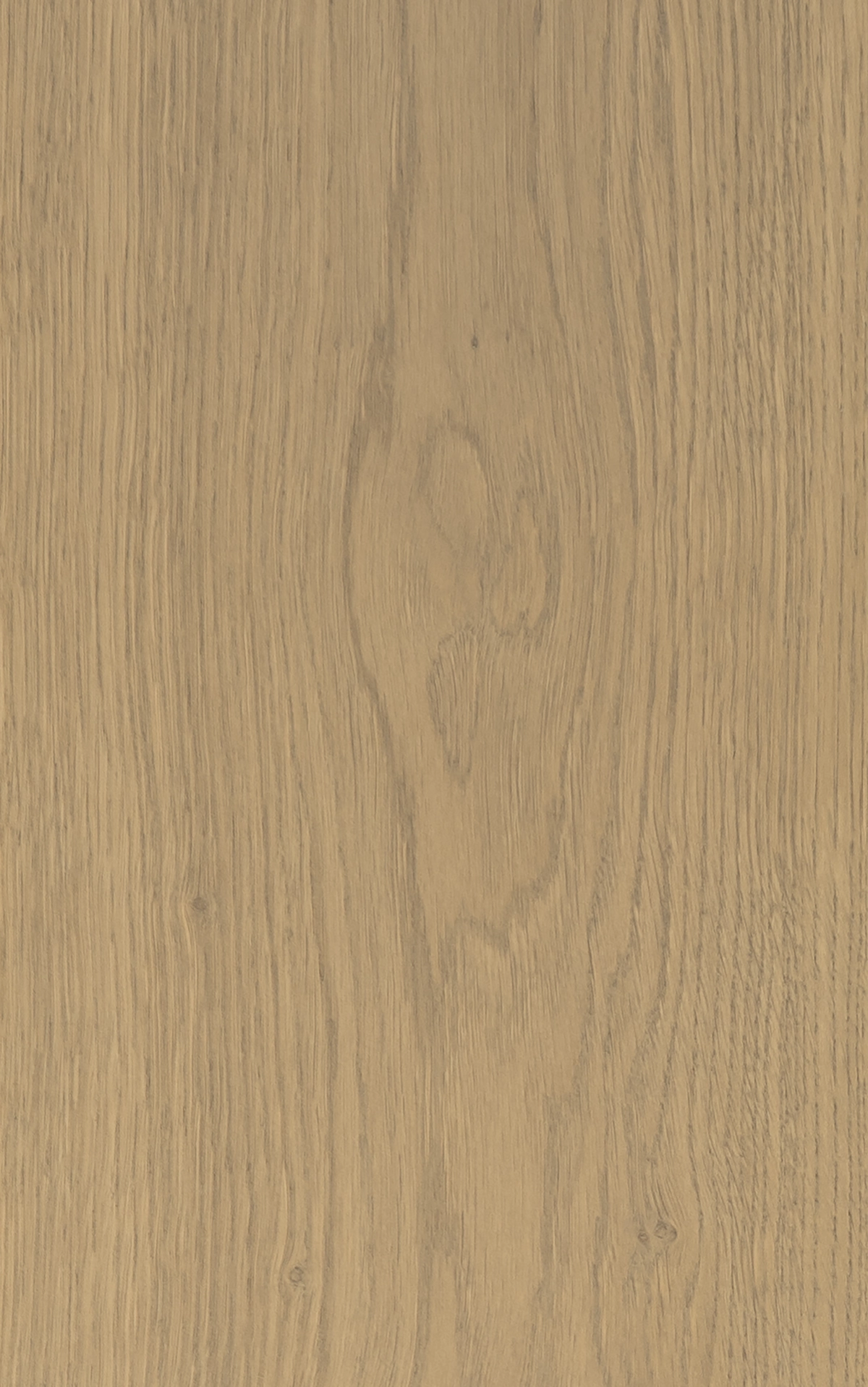
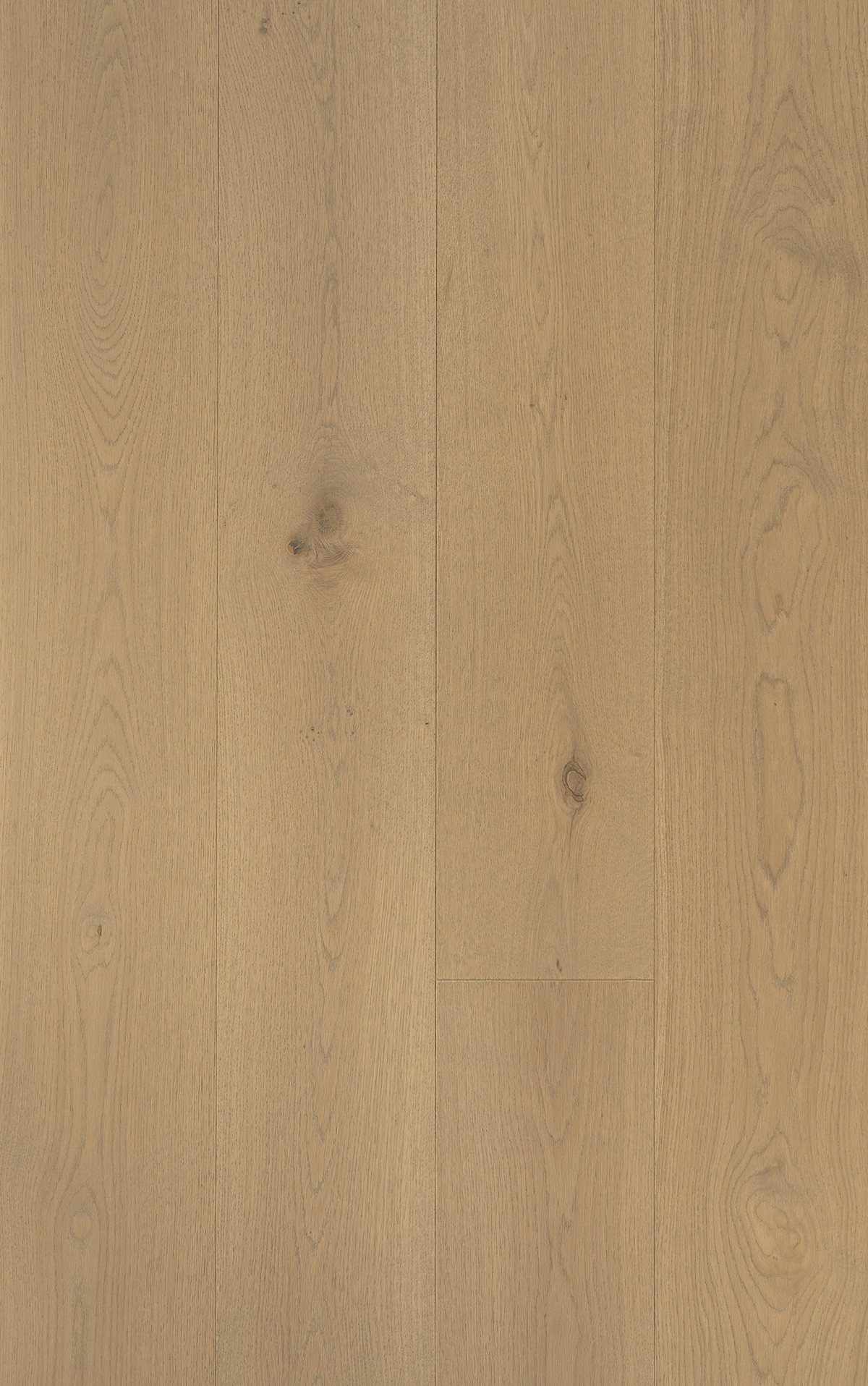





Premium Wood & Timber Flooring for Every Design Vision
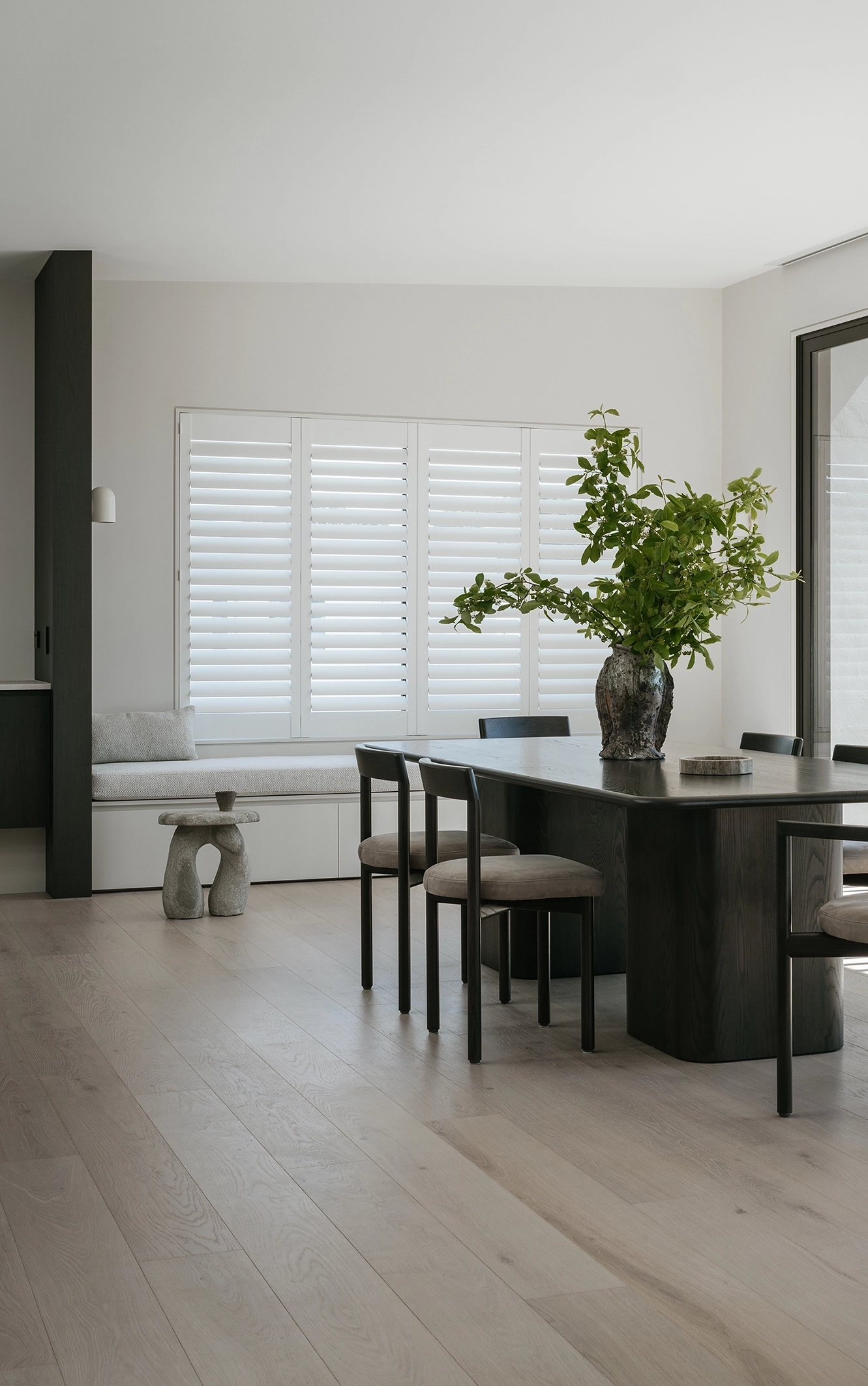
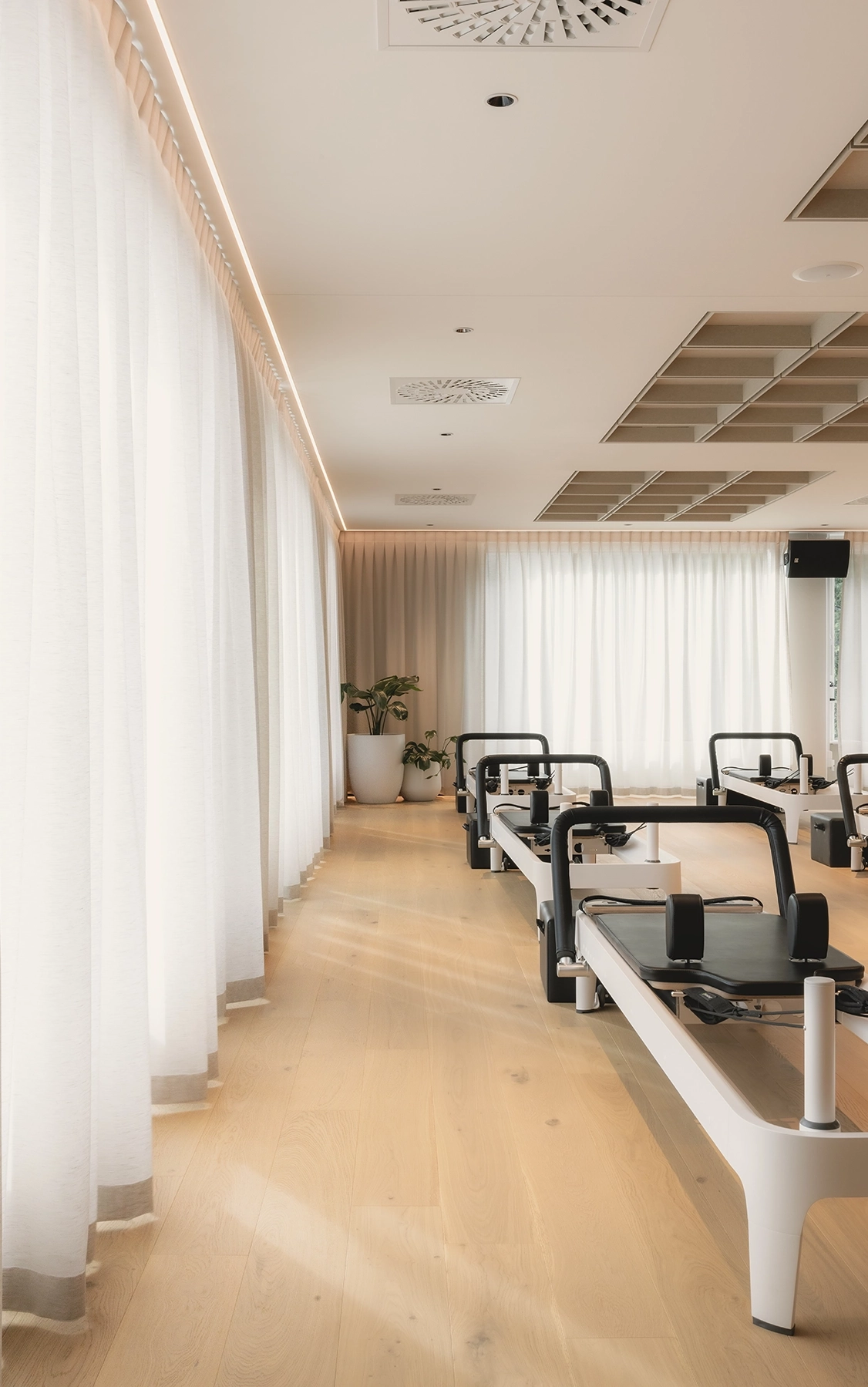
Timber flooring is one of the most sought-after flooring choices in New Zealand, valued for its natural beauty, durability, and timeless appeal. At VidaSpace, we specialise in premium engineered timber flooring designed to perform in New Zealand conditions while delivering exceptional architectural finishes.
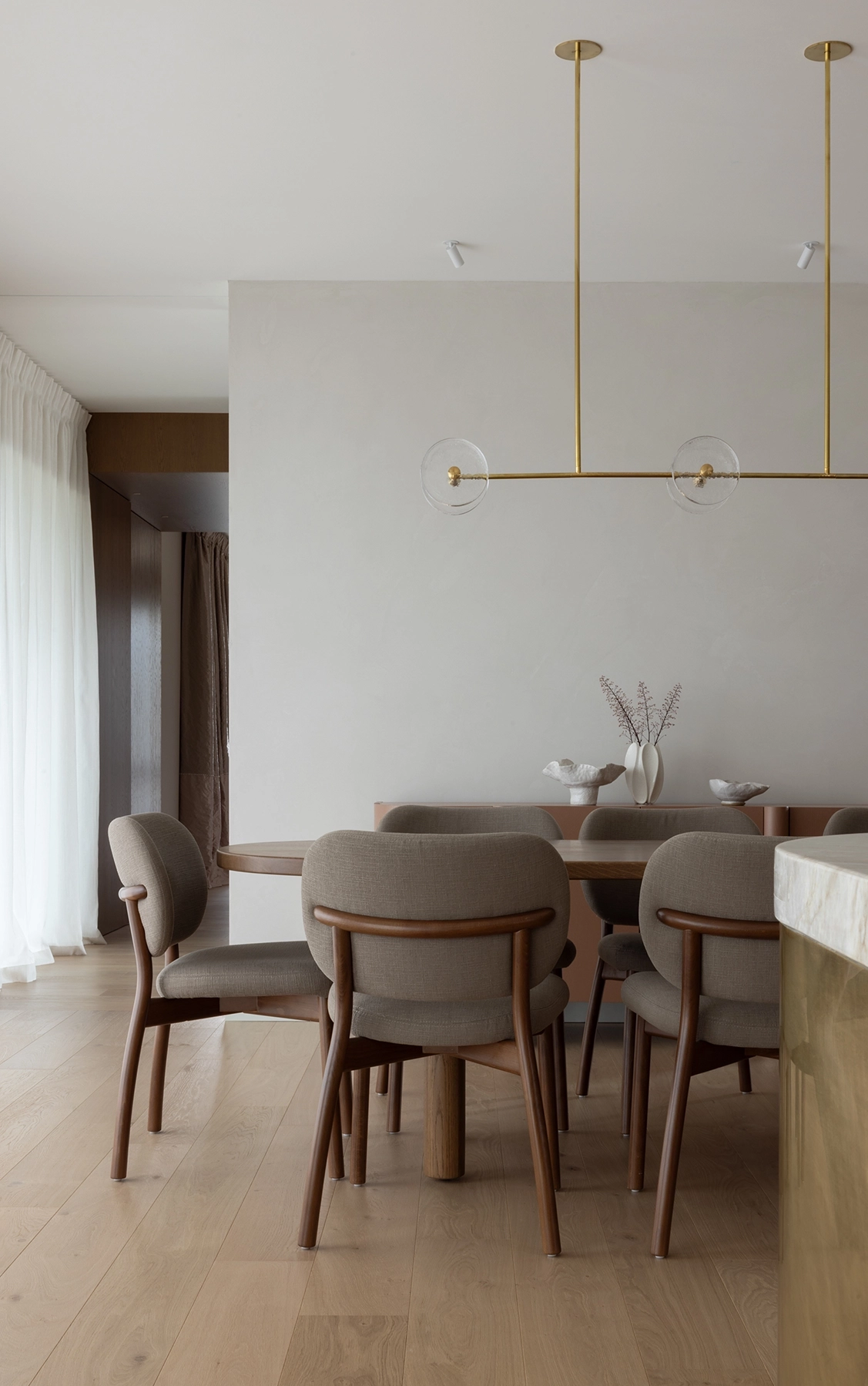
Our curated range of European oak timber flooring combines stability, design versatility, and long-term performance, making it ideal for both residential and commercial spaces. Whether you’re building new or renovating, our timber flooring solutions are trusted by architects, designers, and builders across NZ.
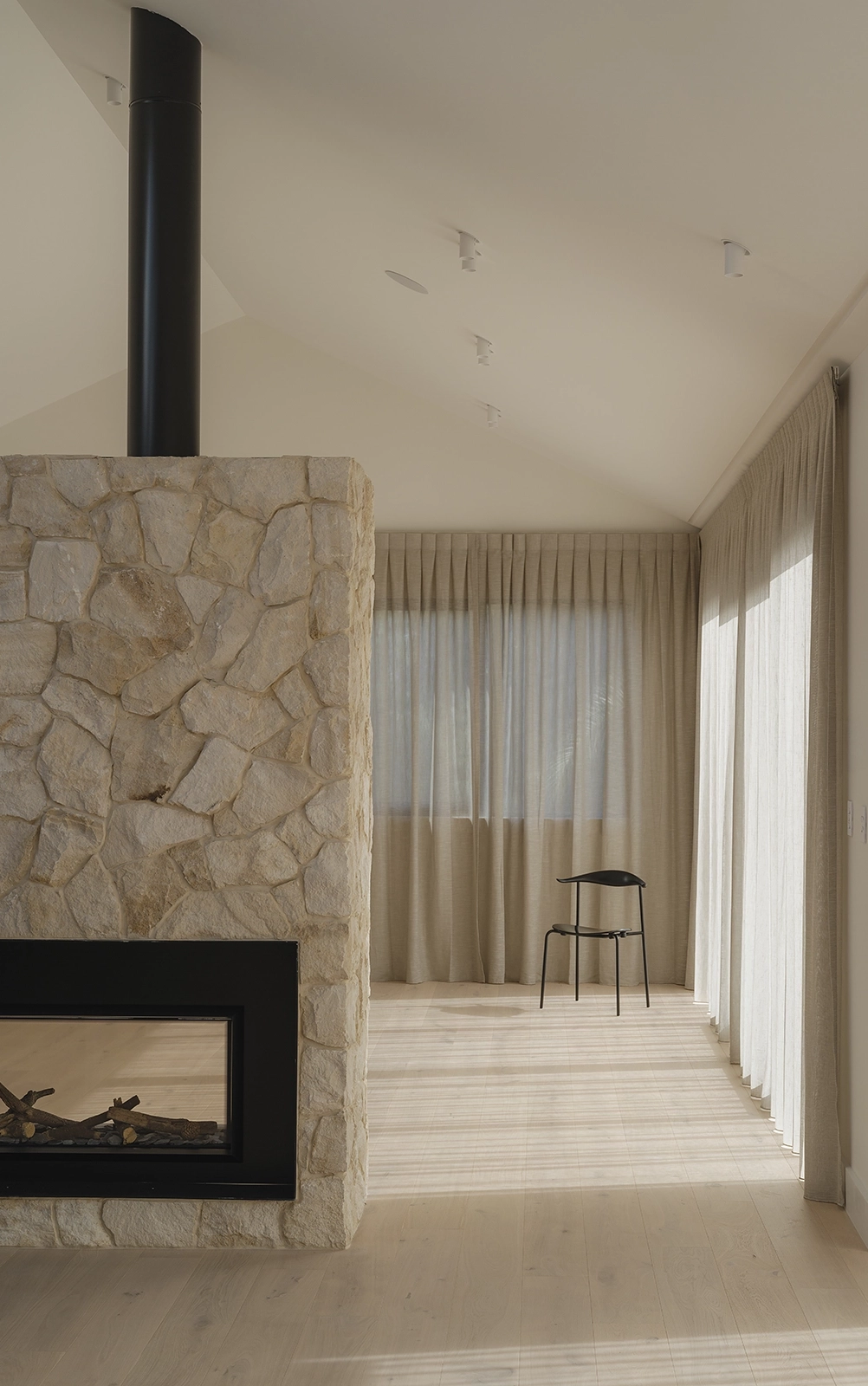
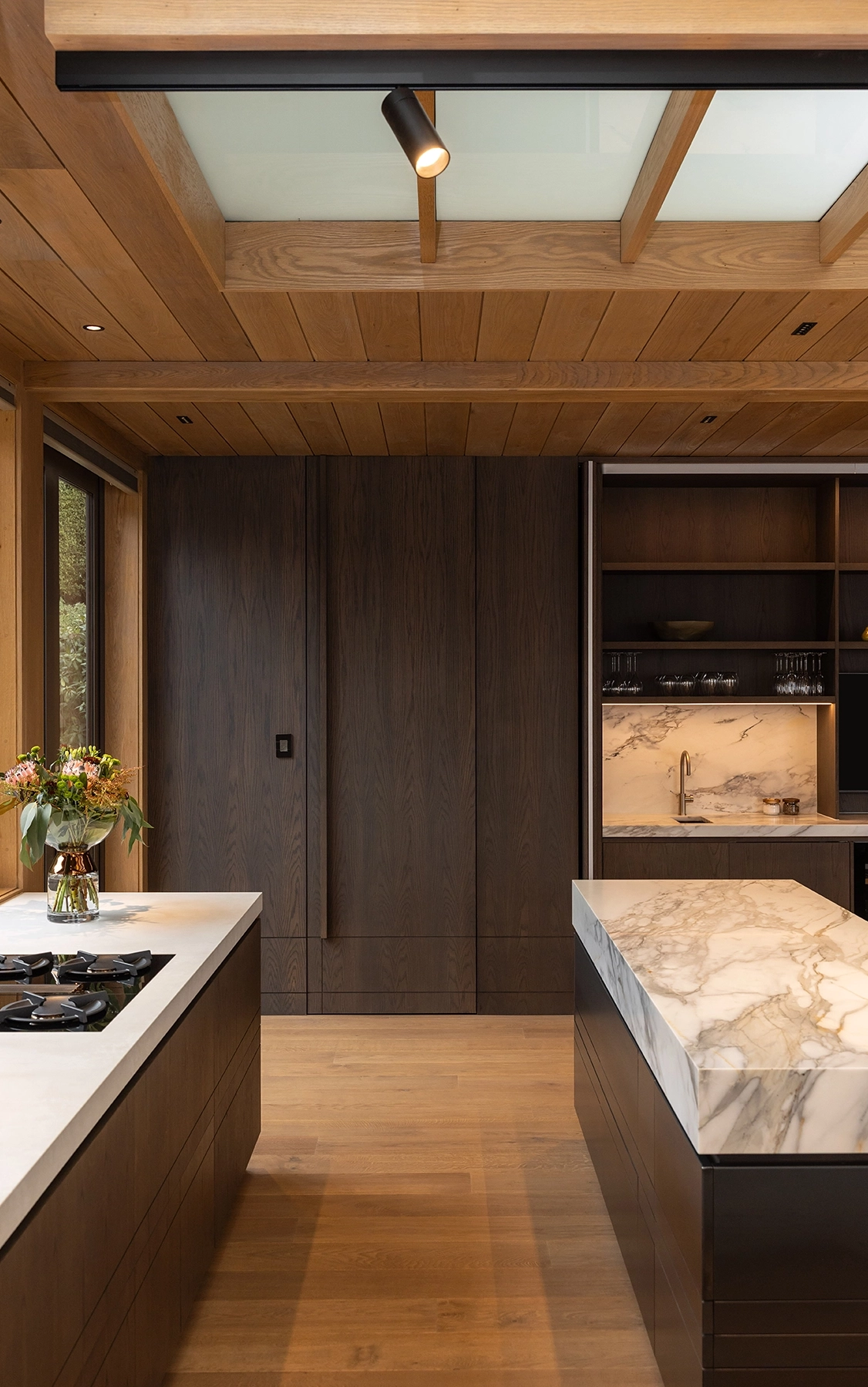
Want to make a bold design statement? Extend your timber flooring vertically to walls or ceilings, creating seamless, high-end interiors with unmatched warmth and texture.
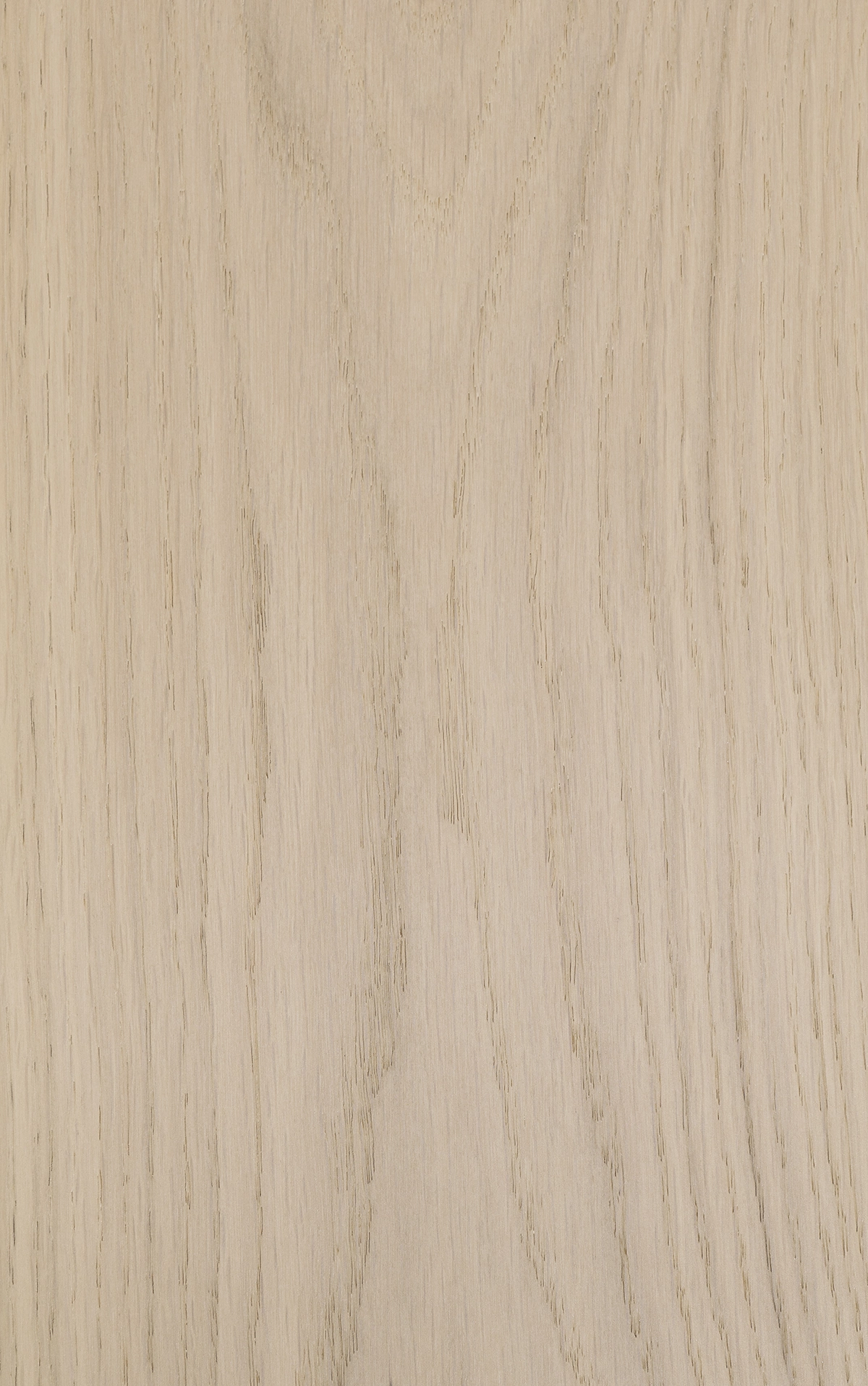
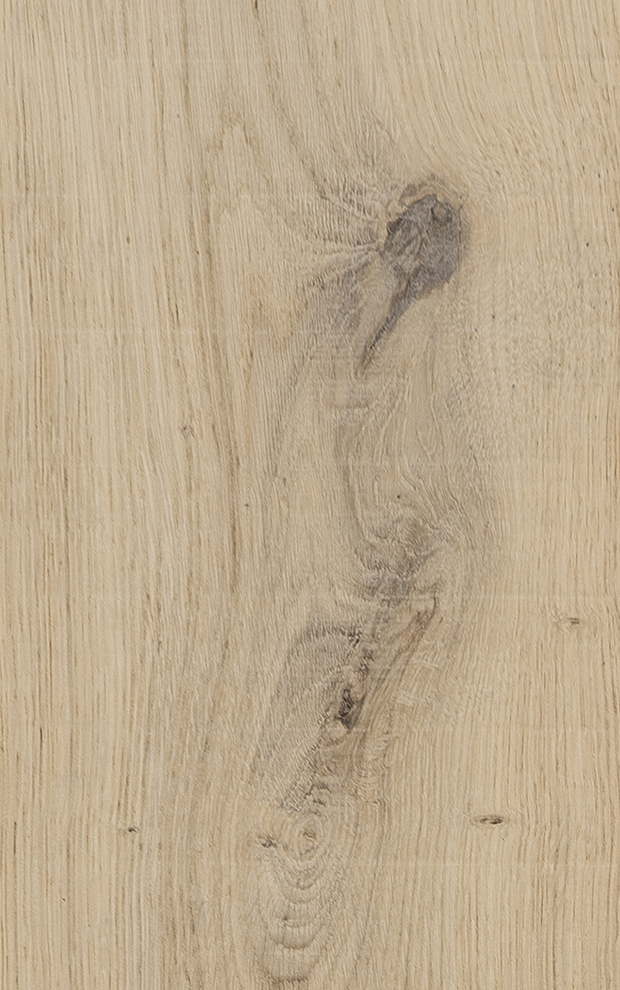
To order a sample of any of our products, click ‘Order a Colour Sample’ on any product page. If you are an industry professional and would like to order a full sample kit please reach out to our team at hello@vidaspace.co.nz or 0800 119 388
All of our products are suitable for wall and ceiling application. Any flooring product can also be used for walls and ceilings, as well as our veneer products.
Wooden floors contribute to a healthy living environment for all of the family, including pets. It is important to keep pet claws trimmed to reduce any abrasion that these can cause. Maintenance products can be applied to all of our floors to reduce the appearance of minor scratches over time.
Oil penetrates deep into the wood and brings out the true beauty of both the colour and grain as well as providing protection for the product. In addition to providing a natural look, oiled products lend themselves to being spot repaired in the event of surface damage. Most oiled products require an additional coat of oil or Hardwax Oil, a mixture of sunflower, soybean and thistle oil, carnauba and candelilla wax after installation.
High-quality timber flooring can last for decades with proper care and maintenance. The main factor in a floor’s lifespan is how thick the wear layer is. We offer flooring with wear layers up to 10mm thick. As a general rule, you can get one sand to every 0.8mm of wear layer. Some people choose to never sand and refinish their floor, which is absolutely fine, it will just show the wear and tear that has accumulated over the years. Every VidaSpace floor comes with VidaCare lifetime service, meaning we will do everything we can to make your floor last a lifetime.
This can vary depending on the specification of your product and whether the product is being used in a residential or commercial setting. Typical residential warranties are between 10 and 20 years, however we offer up to 25 years and lifetime structural warranties. All warranty documents can be found in the downloads section of our website.
For a full explanation of the different wood grades available, and to download our information sheets, please see our page on wood flooring grades.
View our care guides here.
A UV oiled finish uses the same natural and hardwax oils as a traditional oiled finish, however the oil layers are cured under UV light. Each board is coated between five and seven times and cured with a UV lamp between coats to produce a protective, muted appearance. The UV-curing process in the factory gives UV Oiled floors a consistent sealed coating, that is durable enough for commercial uses.A UV oil finish offers the soft natural appearance of an oil finish with the easier care requirements of a polyurethane finish. If an UV Oiled floor is scratched, it can be retouched with oil to diminish the mark.
Yes, engineered timber flooring is suitable for underfloor heating when installed correctly. As a general rule, VidaSpace do not recommend the use of solid wood over underfloor heating.
An engineered board is, quite simply, a timber board which consists of more than one layer. By placing each layer so that the grain runs perpendicularly it becomes virtually impossible for the timber to swell or shrink with changes in humidity and so it dramatically increases the stability. The top layer of an engineered board (the lamella) is solid wood and obviously the thicker the surface layer the more times it can be sanded and refinished to remove the ravages of wear; the thickest wear layers are equivalent to those on solid timber boards. The lamella is securely bonded to one or two further layers – this may be a multi-layered plywood or a sandwich with either a softwood or hardwood core. Engineered boards should not be confused with laminate or veneer. Laminate uses an image of wood on its surface whilst veneer uses only a very thin layer of wood over a core of some type of composite wood product, usually fibreboard.Engineered timber is now the most common type of wood flooring used globally and the technology has enabled the production of much wider boards as well as the application of an enormous variety of interesting finishes.
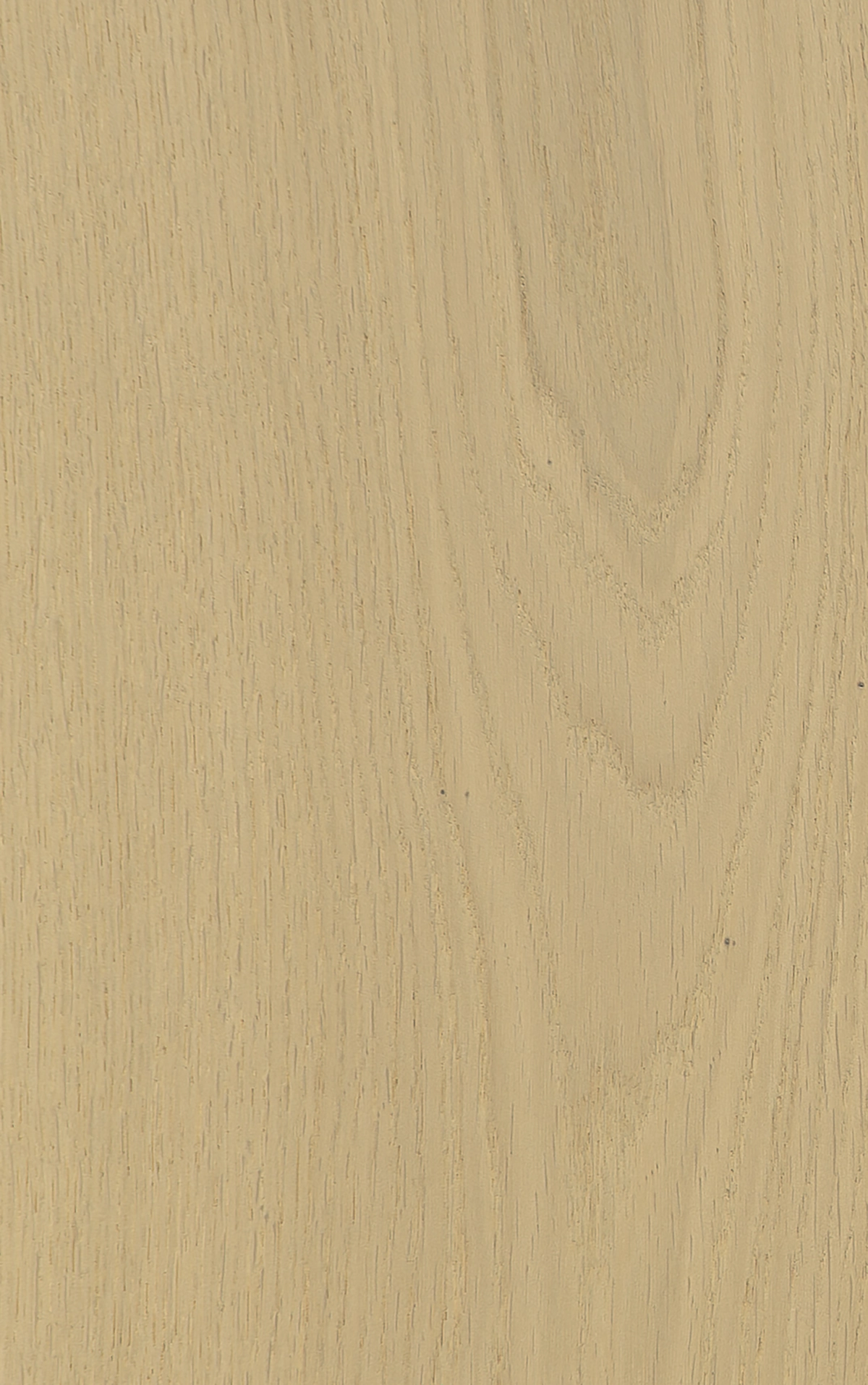
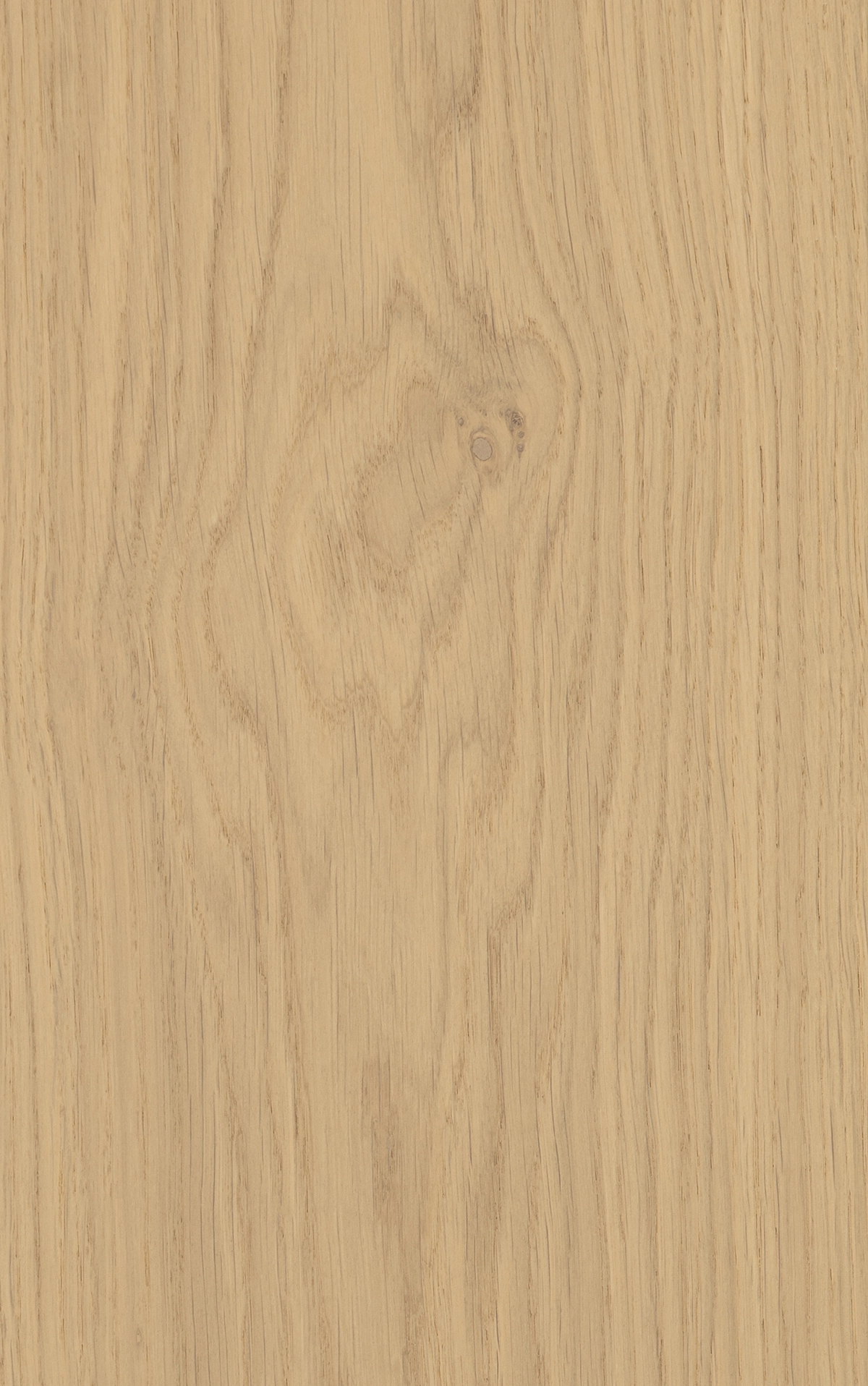
Wood is a natural material and each piece of each tree will vary in colour and grain structure. Colour variation is dictated by the age, location, exposure, soil pH and multiple other factors during the growth of the tree.
A solid wooden floor is milled form a single piece of wood and is uniform throughout. An engineered floor has a hardwood top layer with cross-laminated layers of timber beneath to add structural stability. This reduces movement and increases stability under exposure to varying temperature and humidity in the environment.
No matter how well seasoned, oiled, waxed or lacquered it may be, wood remains hydroscopic. This means that when the humidity is high it will absorb some of that moisture, swell and rise or ‘crown’ in the middle. If that same piece of timber is placed in a dry environment – as happens when using heating or air conditioning – it will release its moisture, dry out and shrink. Lay pieces of timber side by side in a confined space and those changes in humidity, over time, may well result in them bowing, warping, cupping or gapping – gaps between the planks. This is what can happen with a solid wood floor, wall or ceiling.
Engineered boards are like solid timber planks with lots of benefits:
Timber is a classic and durable material that makes for an excellent floor in any home. It does however have some limitations and you should know that water is its number one enemy. To protect your hardwood flooring and keep it looking great does not have to take over your life. However, making wise decisions about what to install and where to install it, as well as maintaining a level of awareness and diligence once installed, can go a long way towards protecting your investment and preserving the beautiful appearance that drew you to wood flooring in the first place.
Learn more about how to protect your wood floor from water damage
Sunlight and UV exposure is always a concern for any natural products, especially here in New Zealand, where our sun is extremely harsh. Everything inside your home, from the timber floors to the carpet, and the sofa, these are all subject to fading and changing with UV exposure. However, this does not mean we have to shy away from using these products, we learn how to protect them and care for them.
Learn more about Ultraviolet & Heat Exposure Concerns with Timber Flooring
So, can a Robot Vacuum with a mop feature be used on Timber Floors? The short answer is yes, but with some considerations.
Engineered timber flooring is generally considered the best option due to its stability and compatibility with New Zealand building methods.
Timber flooring is a premium option, but it offers long-term value due to its durability and timeless appeal.
When choosing timber flooring in NZ, it’s important to understand the different options available and how they perform in local conditions.
Engineered Timber Flooring
Engineered timber flooring is the most popular choice in New Zealand due to its structural stability and compatibility with modern construction methods. Made from a real timber surface layer bonded to a stable core, it performs well in fluctuating temperatures and humidity levels.
Solid Timber Flooring
Solid timber flooring is made from a single piece of wood. While traditional and highly durable, it is more susceptible to movement and is less commonly used in modern NZ builds.
European Oak Flooring
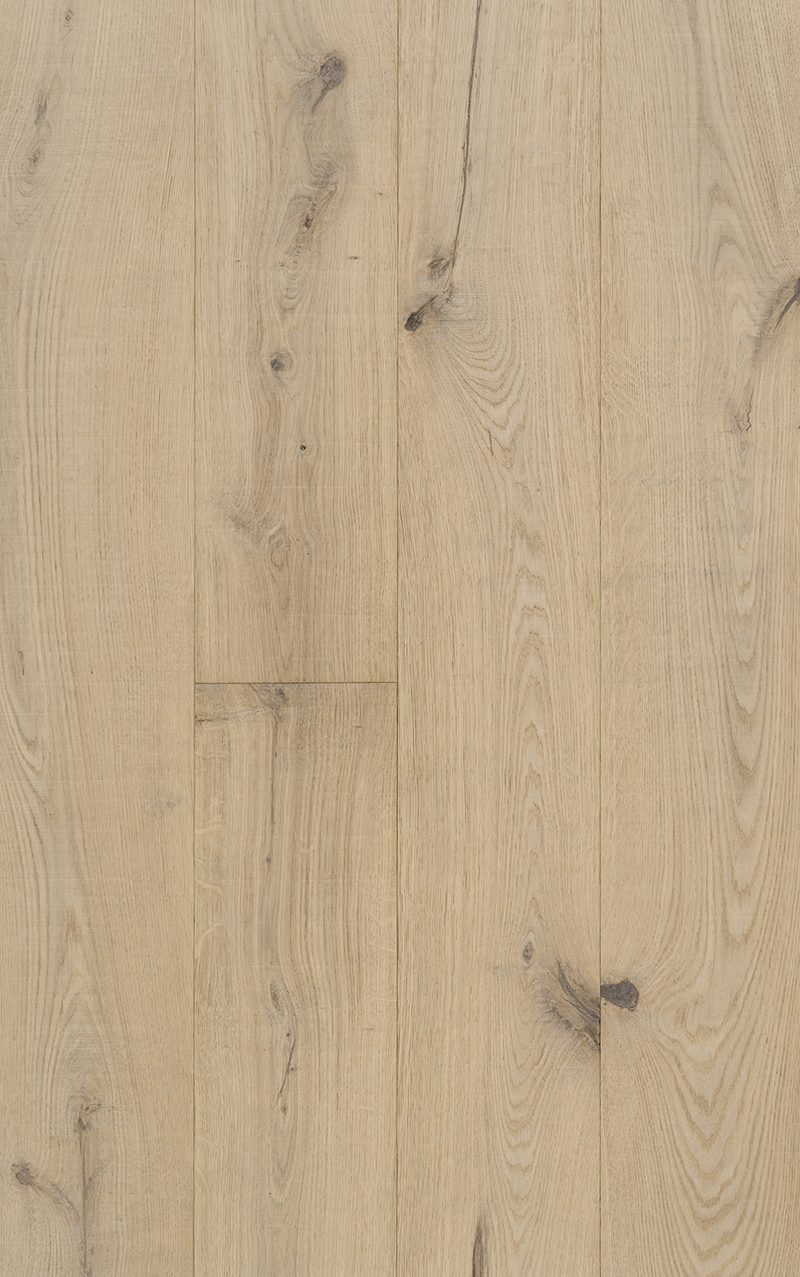
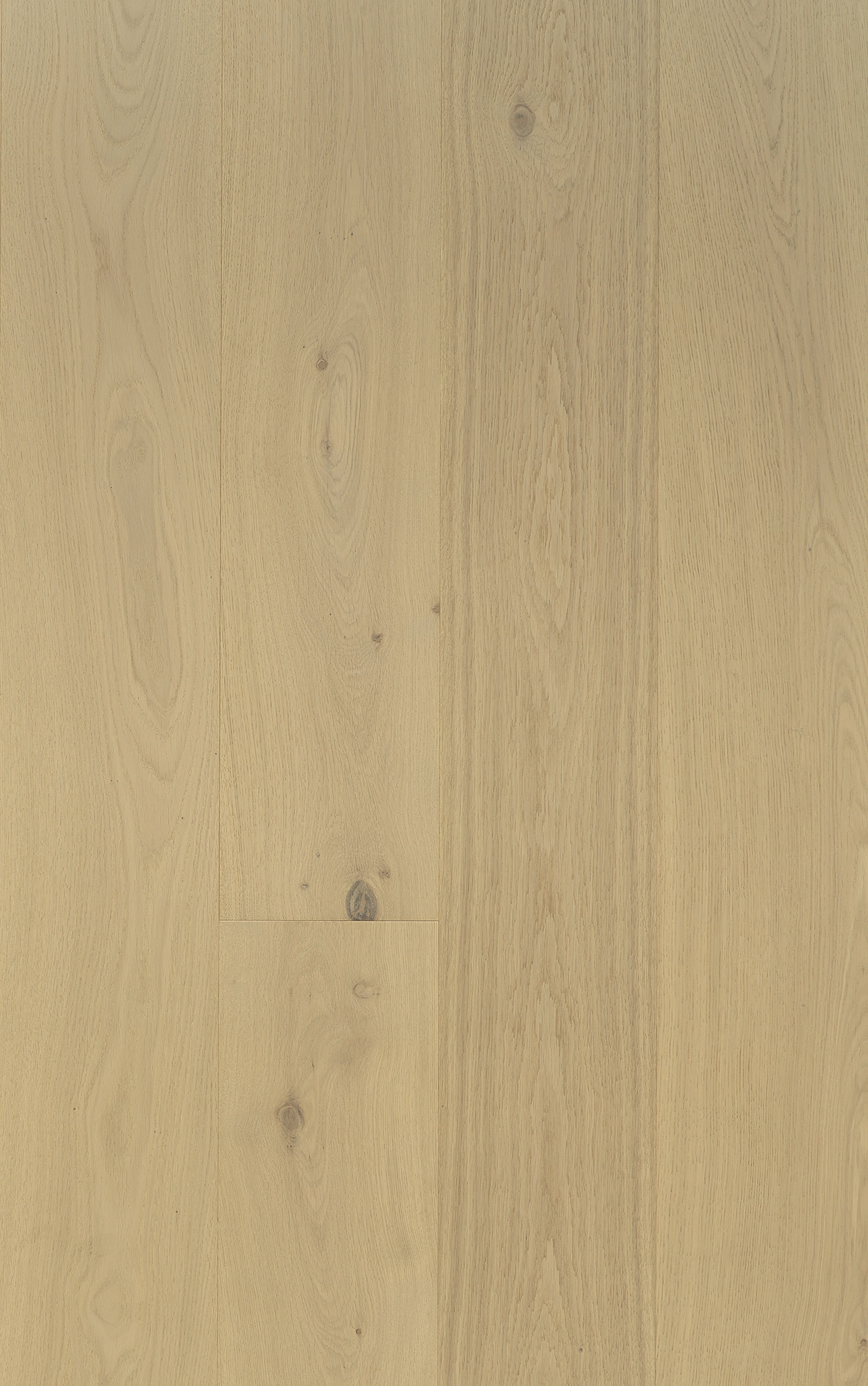
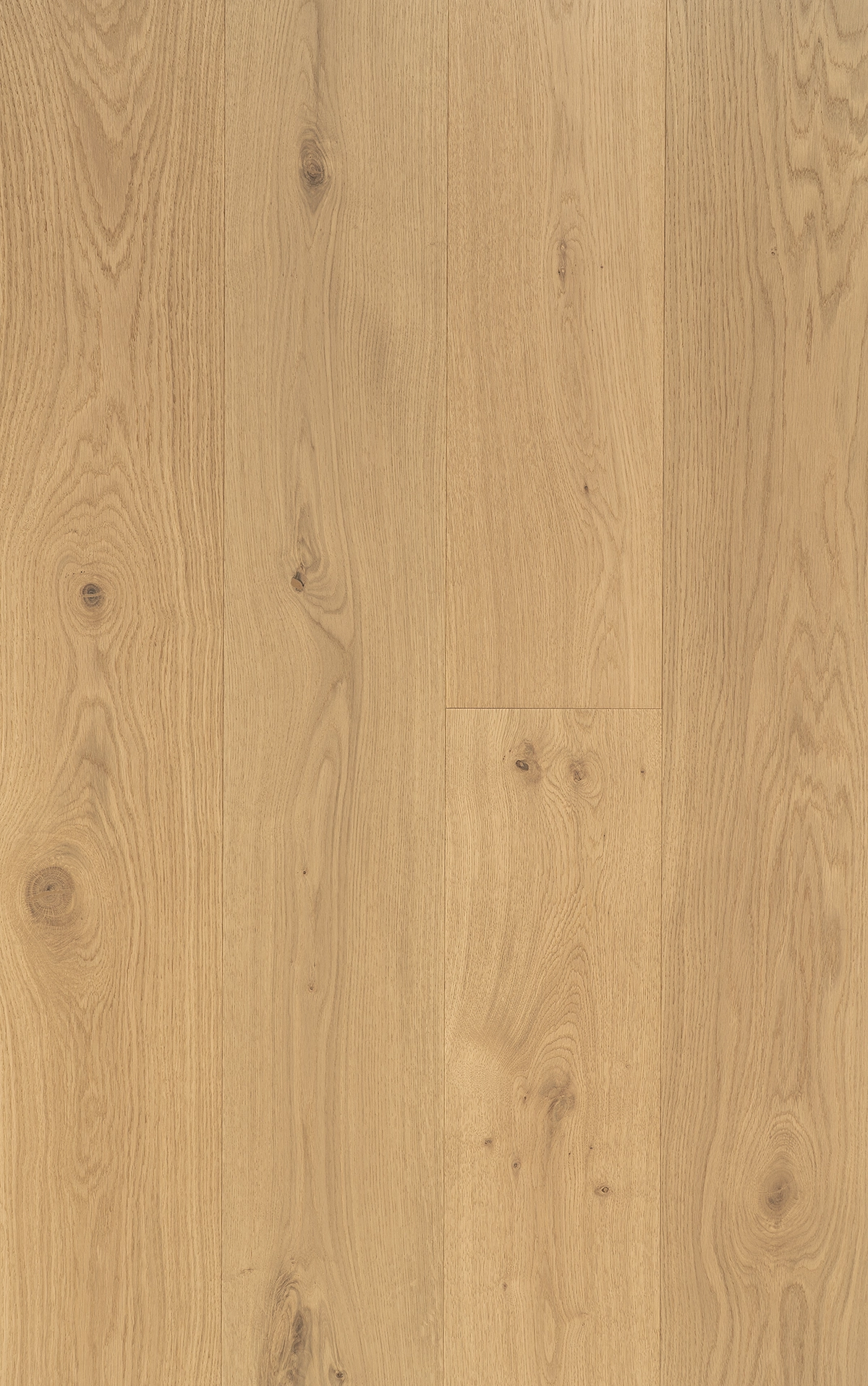
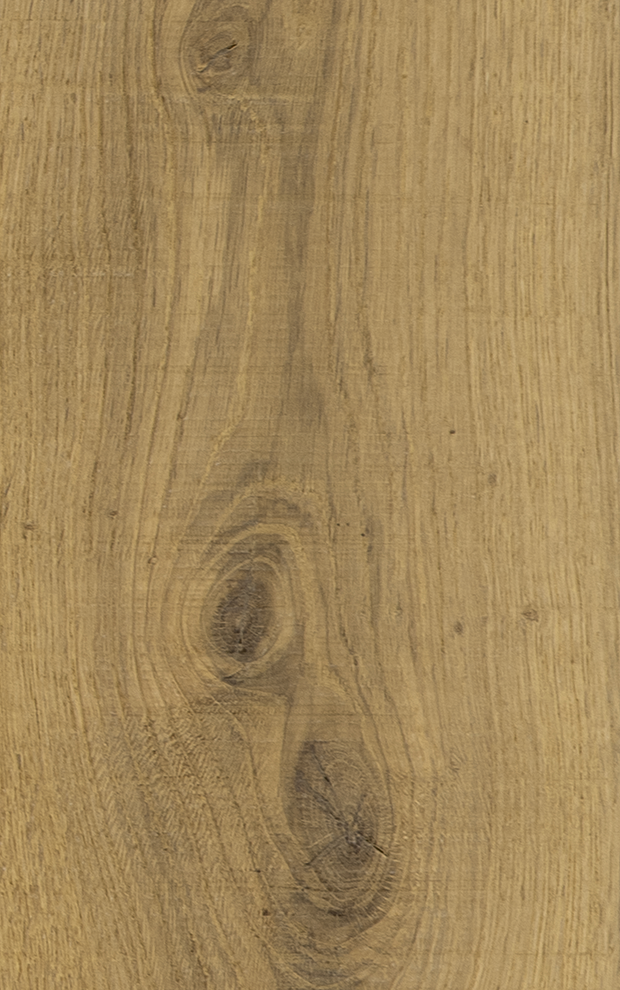
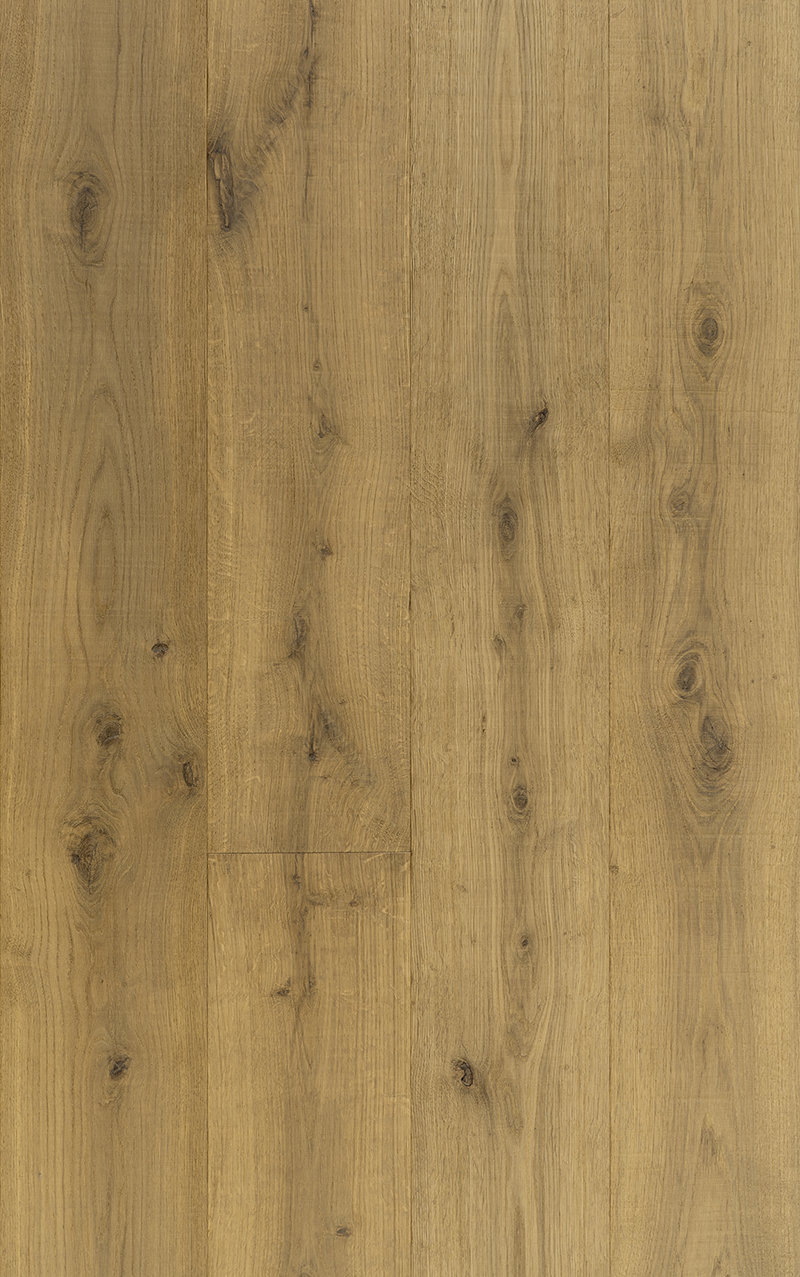
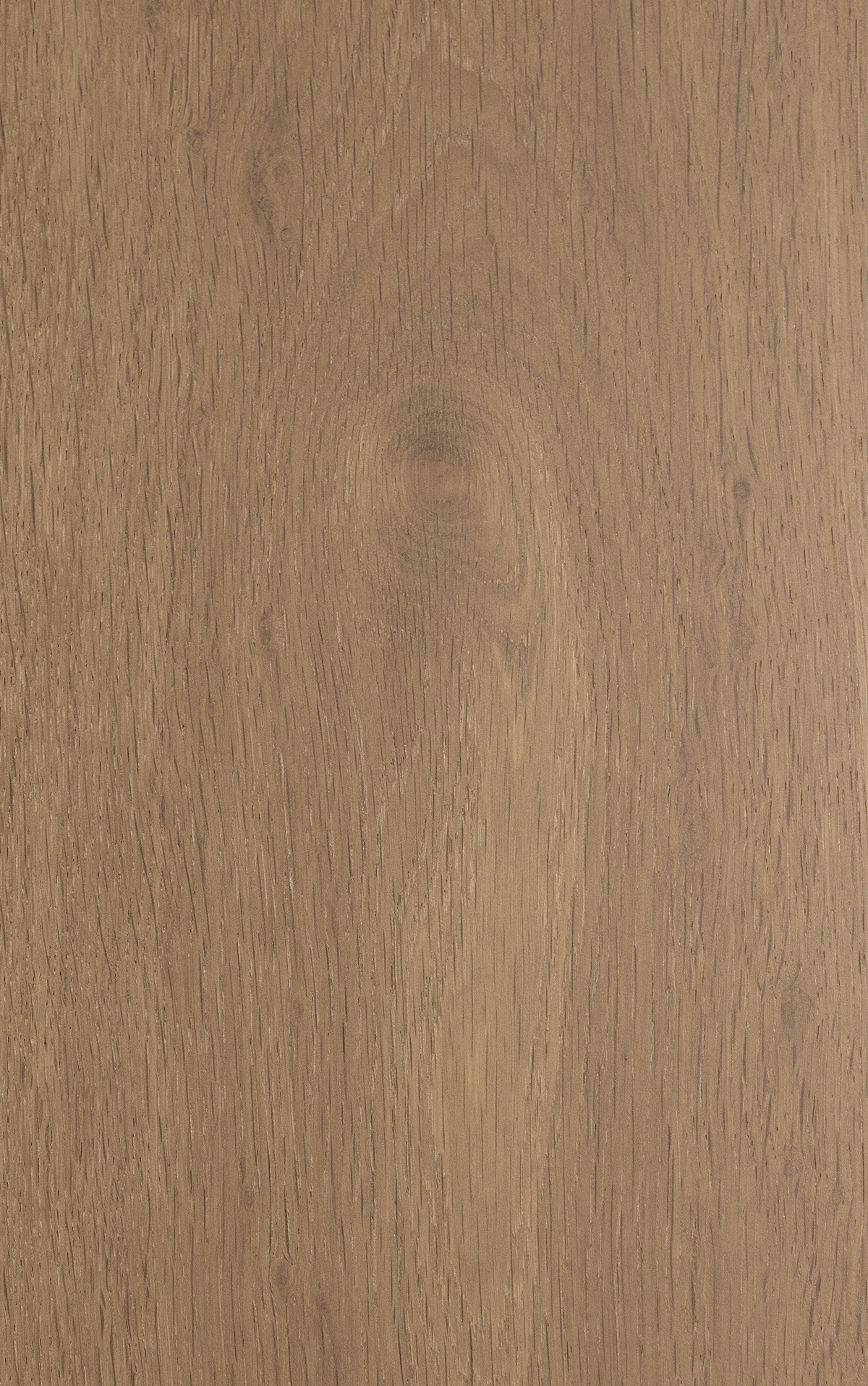
European oak is a premium timber flooring choice, known for its consistent grain, durability, and ability to take a wide range of finishes. It is widely used in architectural homes throughout New Zealand.
The cost of timber flooring in New Zealand can vary depending on the product, installation method, and site conditions. Premium European oak timber flooring sits at the higher end of the range due to its quality, finish, and longevity.
Investing in high-quality timber flooring ensures better performance, fewer issues over time, and a more refined final result. Learn more about what determines the cost of timber flooring.
Smoked timber refers to wood that has been subjected to a smoking process, that penetrates the surface of the wood, providing a natural form of preservation by inhibiting the growth of fungi and other microorganisms that cause wood rot. Additionally, smoking can impart unique colours and patterns to the wood, resulting in visually striking pieces with rich, warm tones and interesting grain patterns.


