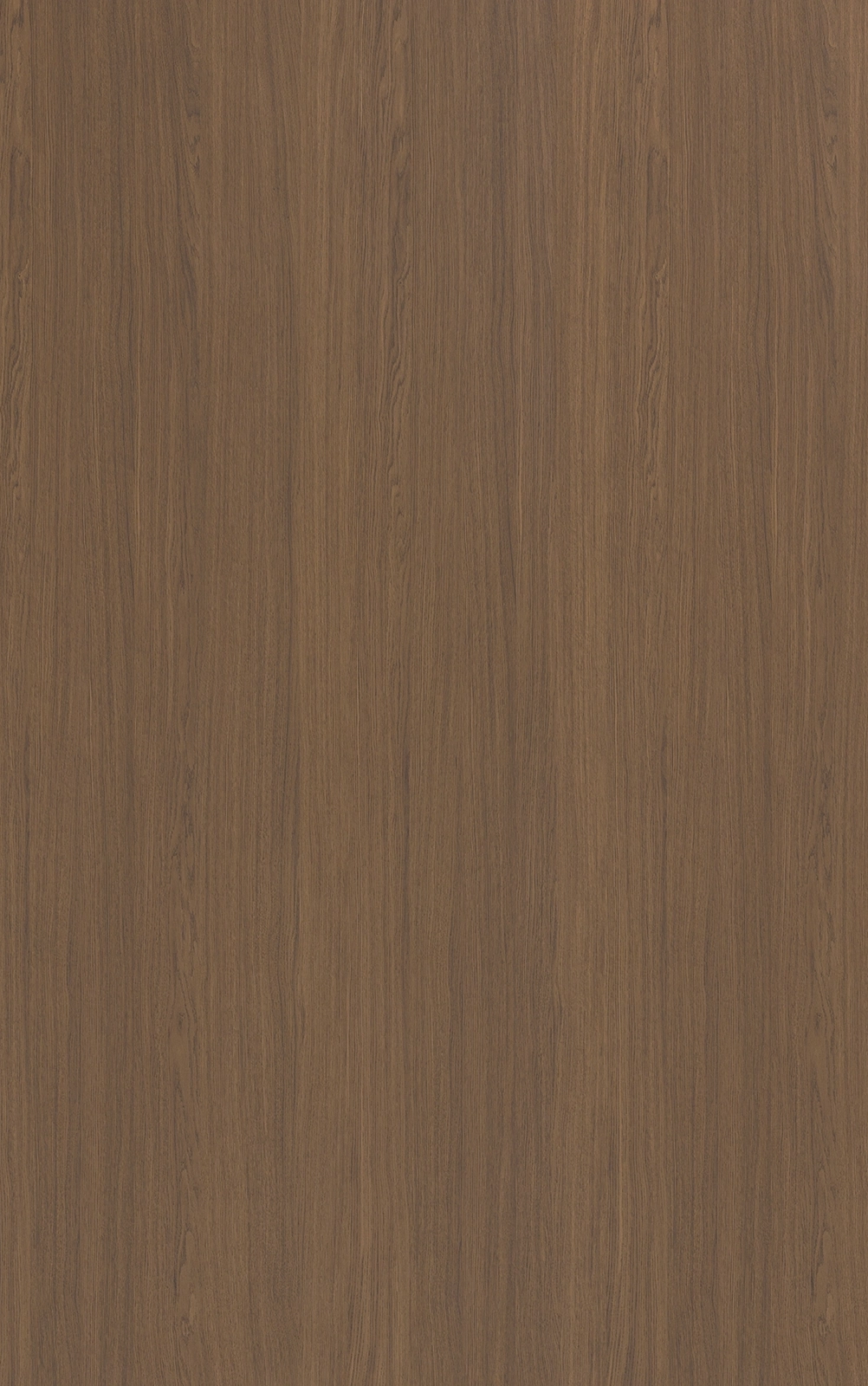
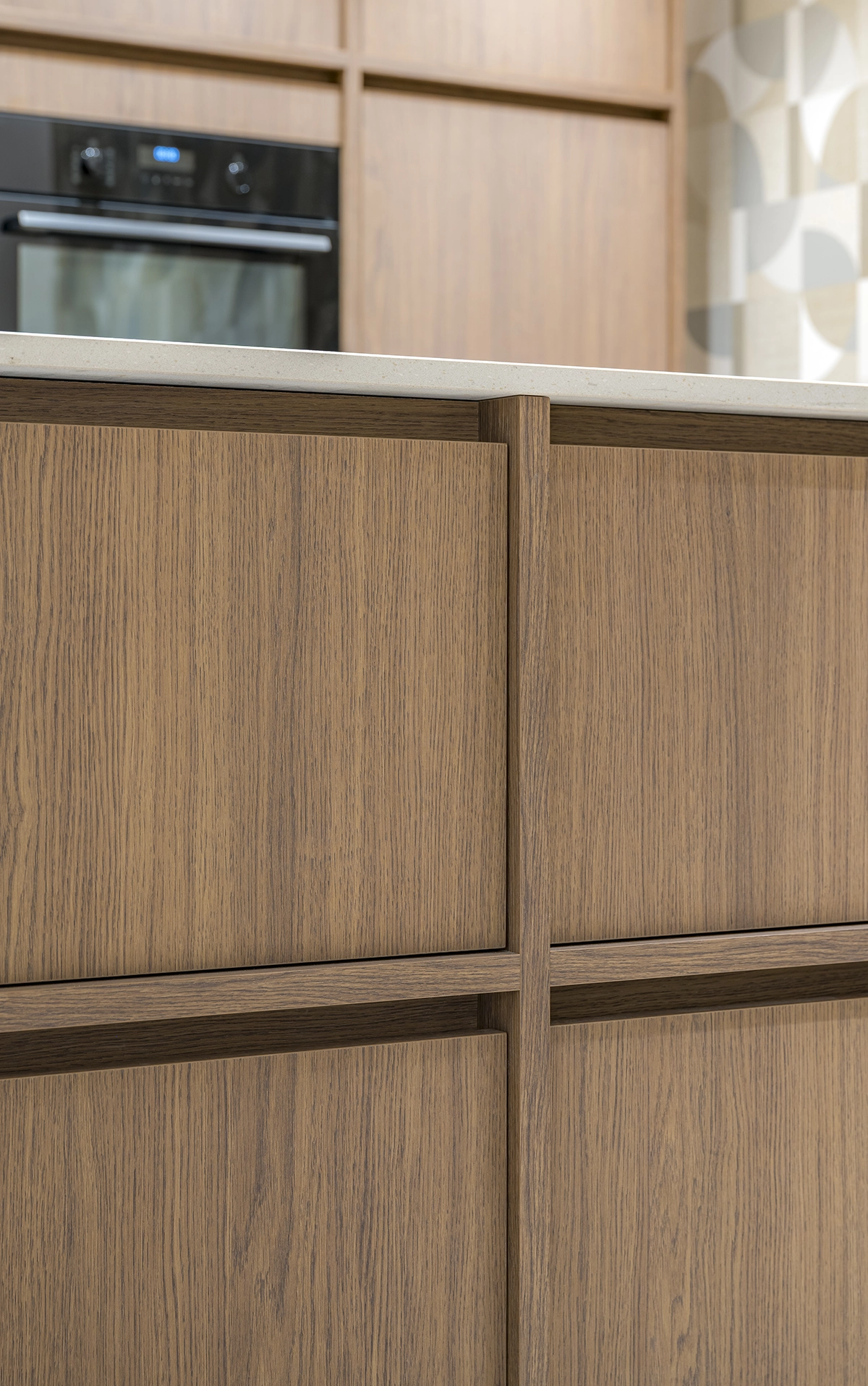
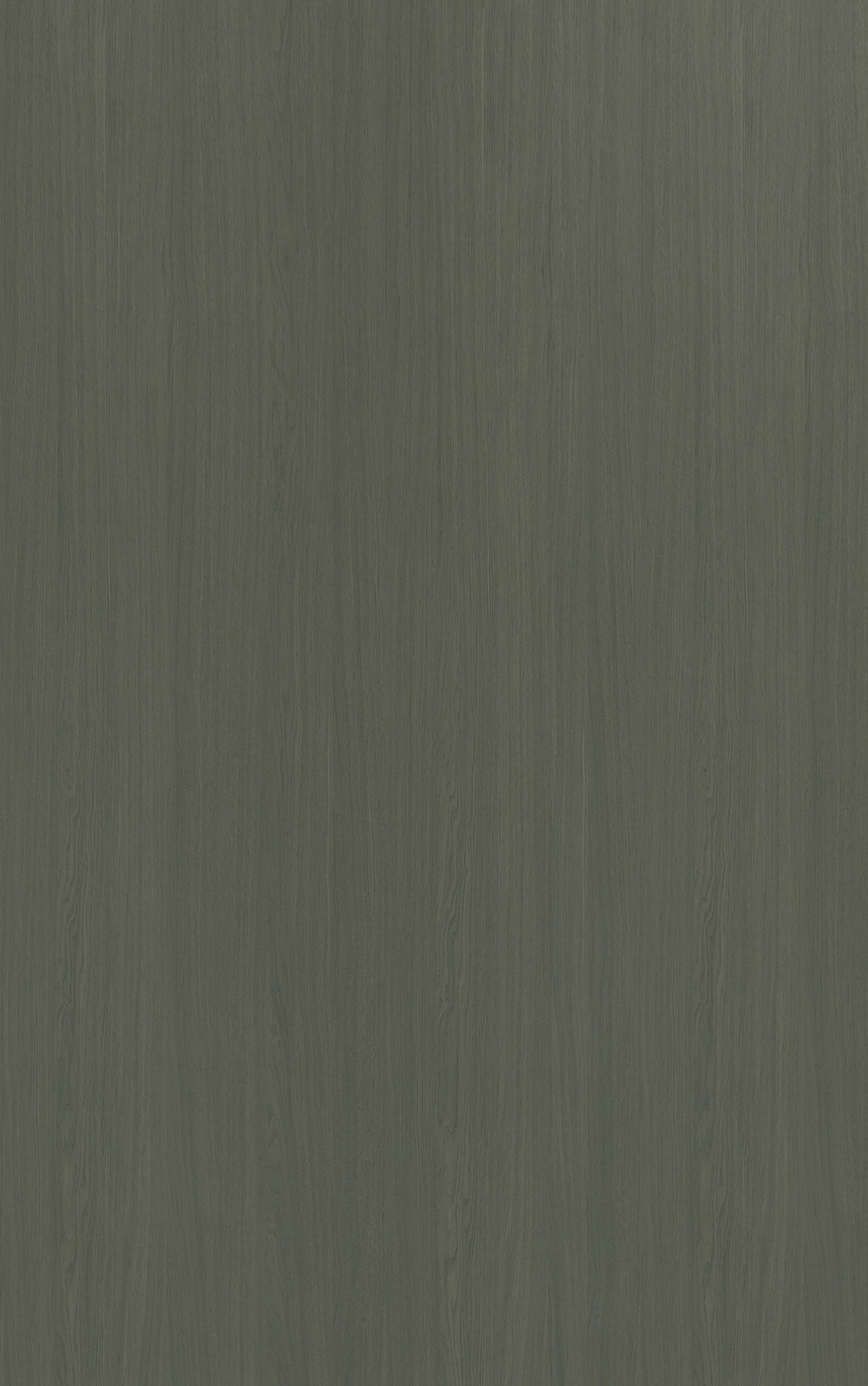
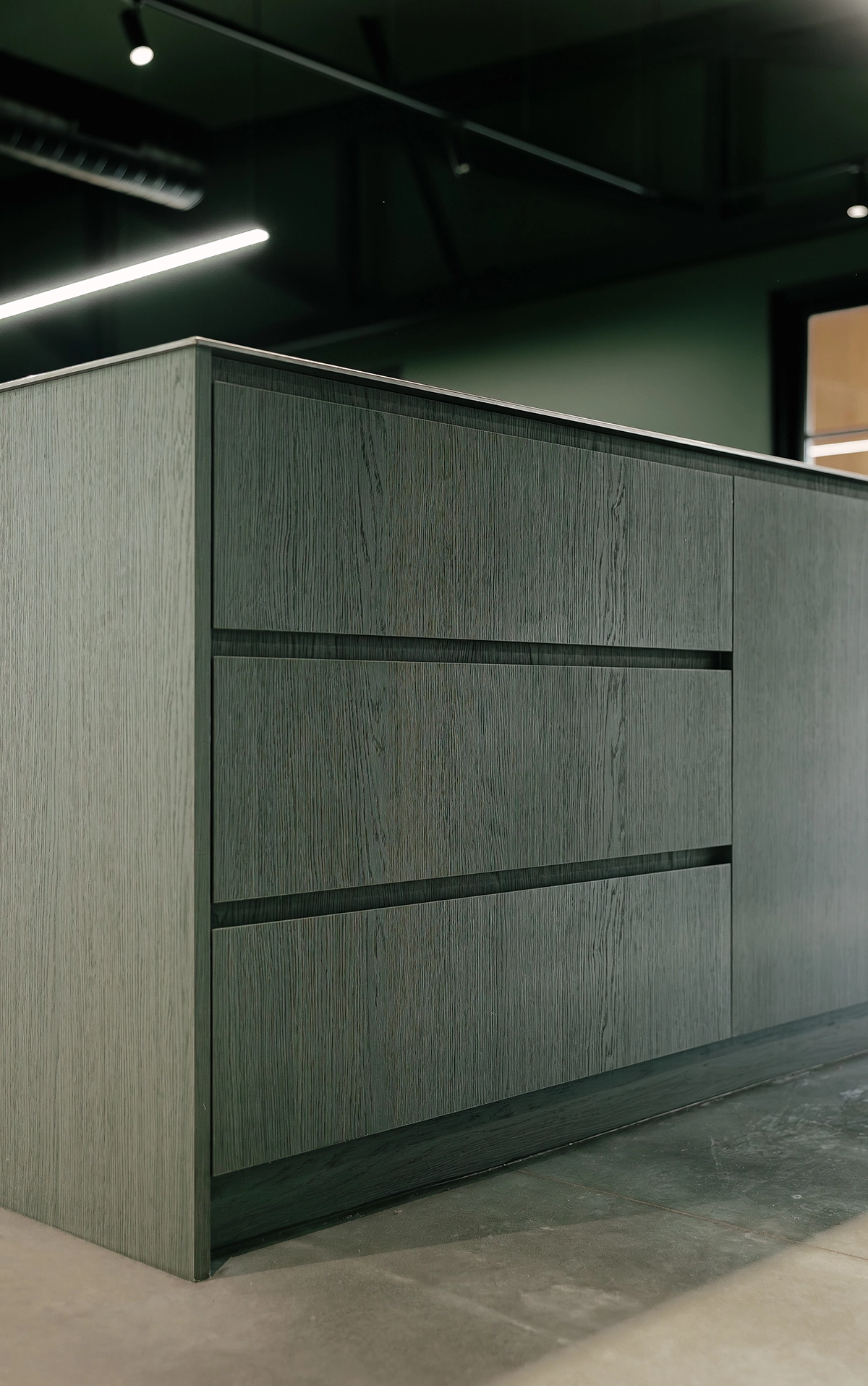
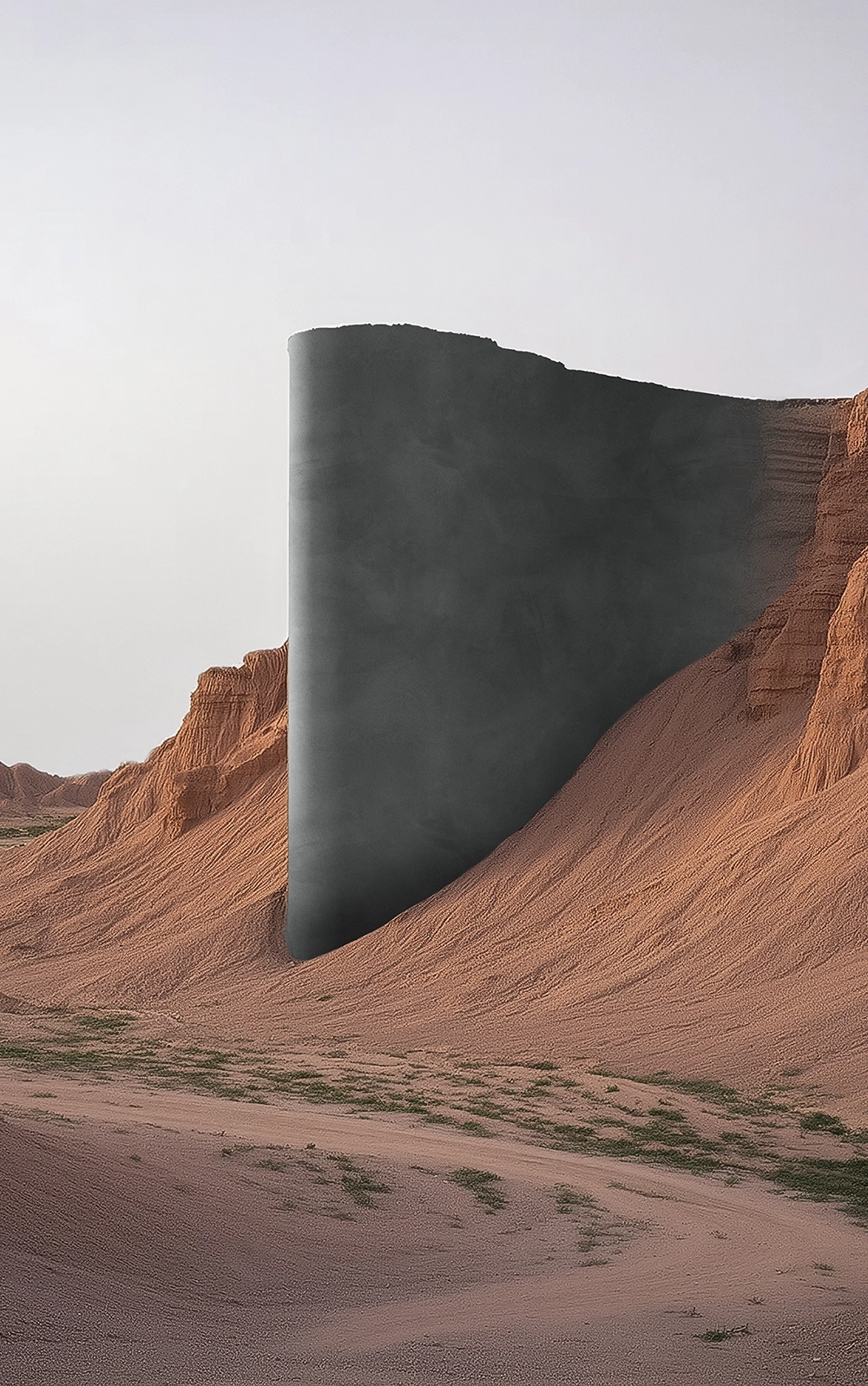
Explore our suite of timeless colours across limitless wooden applications.
Browse Now
.webp)


TFL – short for Thermo-Fused Laminate – is a surface material quietly transforming interiors across New Zealand and Australia. Found in everything from commercial joinery to residential cabinetry, TFL combines durability, design flexibility, and ease of use, making it a trusted choice for designers, specifiers, and builders alike.
Often confused with high-pressure laminate (HPL) or referred to interchangeably with melamine, TFL is best understood as a precisely engineered surface designed for consistency, efficiency, and everyday durability.
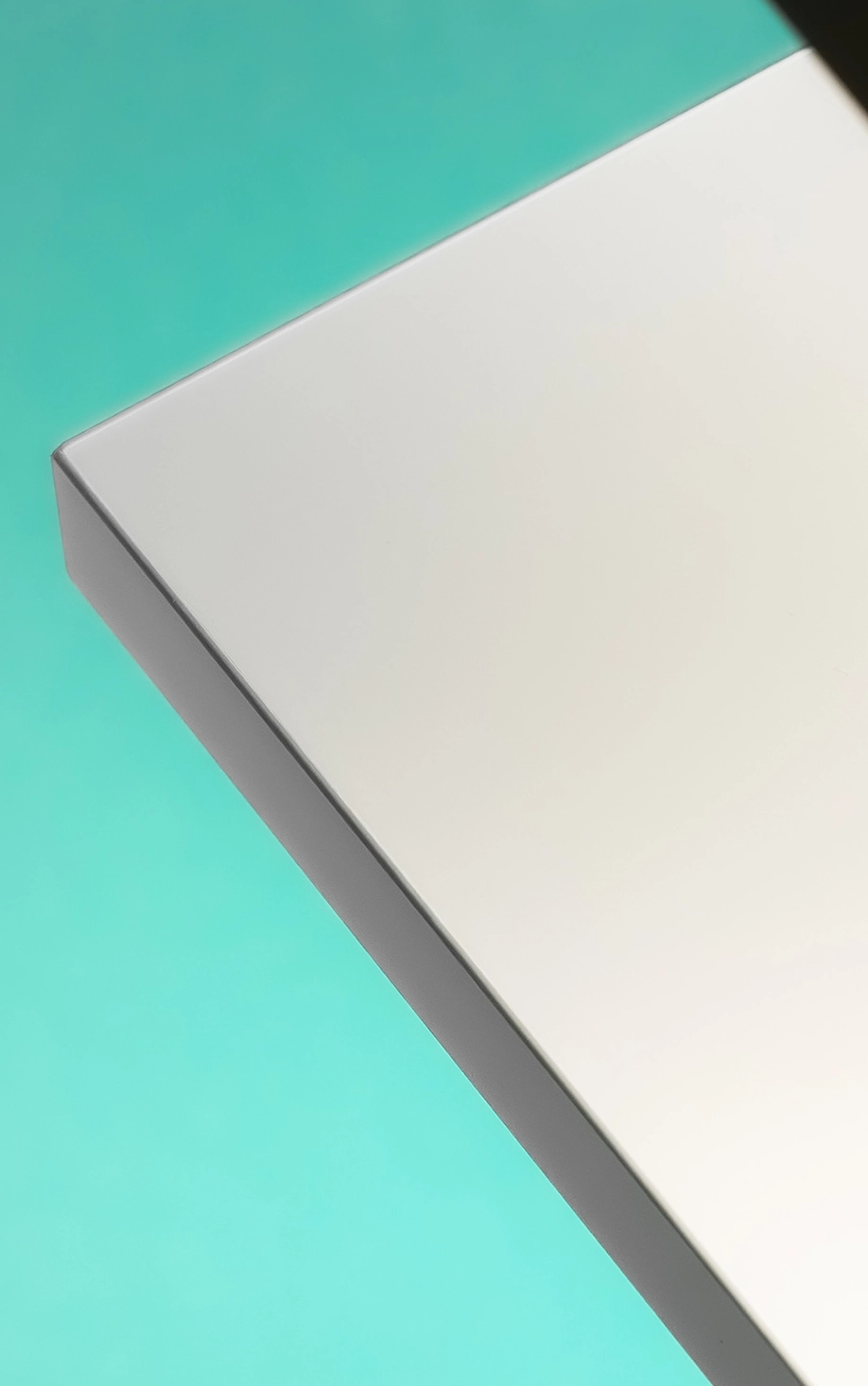
TFL (Thermo-Fused Laminate) is created by fusing resin-impregnated decorative paper directly to an engineered timber substrate using heat and pressure. This method creates uniform surfaces with minimal variation, and durable, sealed finishes.
Unlike traditional laminates that are applied as a separate sheet after the substrate is prepared, TFL is thermo-fused during manufacture, meaning the decorative surface and substrate become a single, integrated panel. This integration gives TFL panels exceptional stability, consistent thickness, and a seamless finish.
You’ll most commonly see TFL supplied on:
And referred to as TFL panels, TFL boards, or thermo-fused panels.
The defining feature of TFL is its manufacturing process.
Decorative paper, saturated with melamine resin, is placed directly onto the board substrate and fused under controlled heat and pressure. This creates a uniform, sealed, non-porous surface with no additional adhesive layer.
The result is a panel that offers:
For specifiers, this translates to reliability – from sample to site.
.webp)
TFL has earned its place in interiors because it balances design intent with real-world practicality. Its benefits span durability, efficiency, sustainability, and visual flexibility.
TFL panels are manufactured to exacting standards, delivering uniform colour, finish, and texture across large runs. This is particularly valuable for commercial interiors, multi-residential projects, and staged builds, where consistency matters.
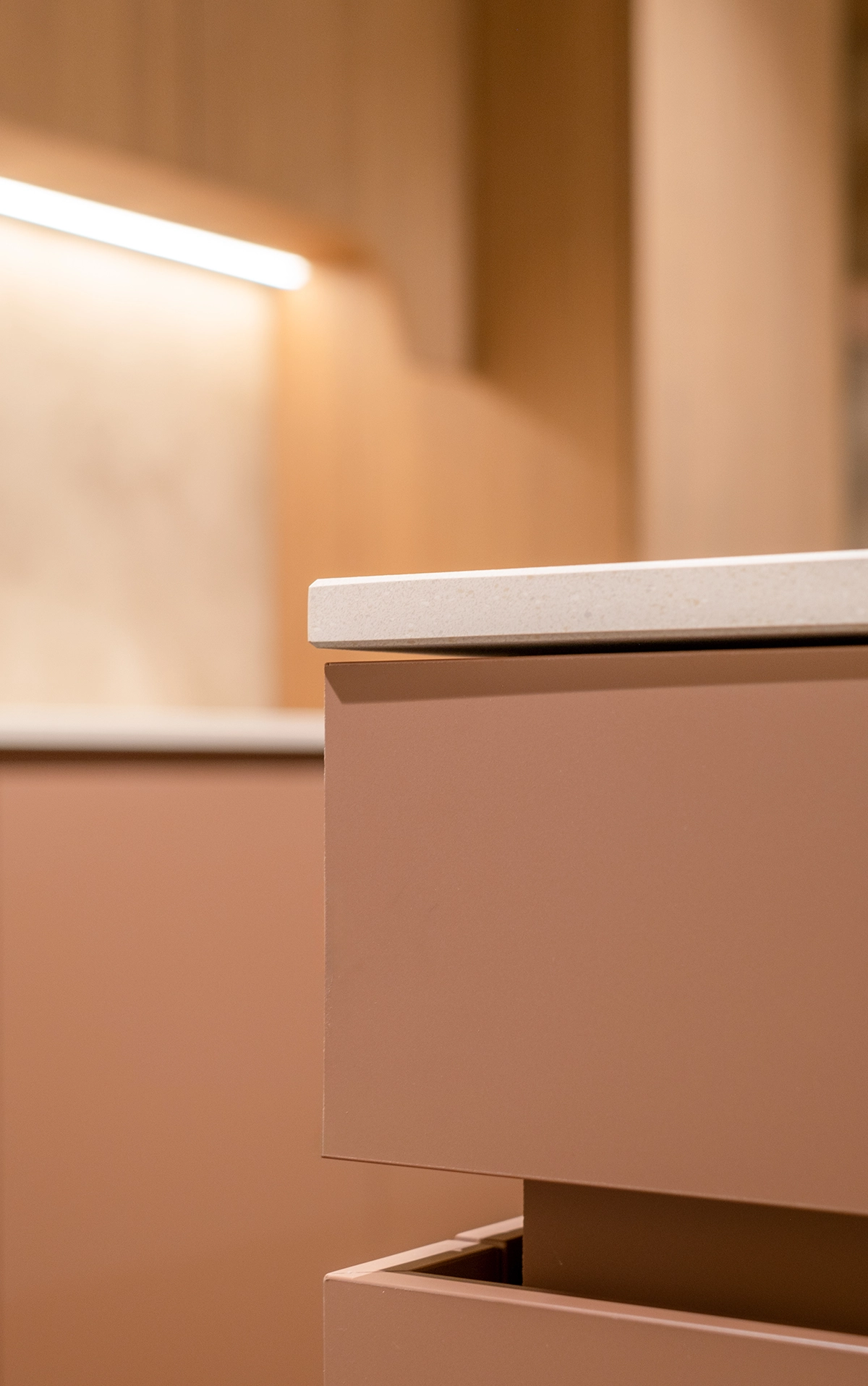
While not as thick as high-pressure laminate (HPL), TFL is scratch-resistant, impact-resistant, and suitable for high-use areas. It is ideal for cabinetry, shelving, wall linings, and built-in furniture where everyday wear is a concern.
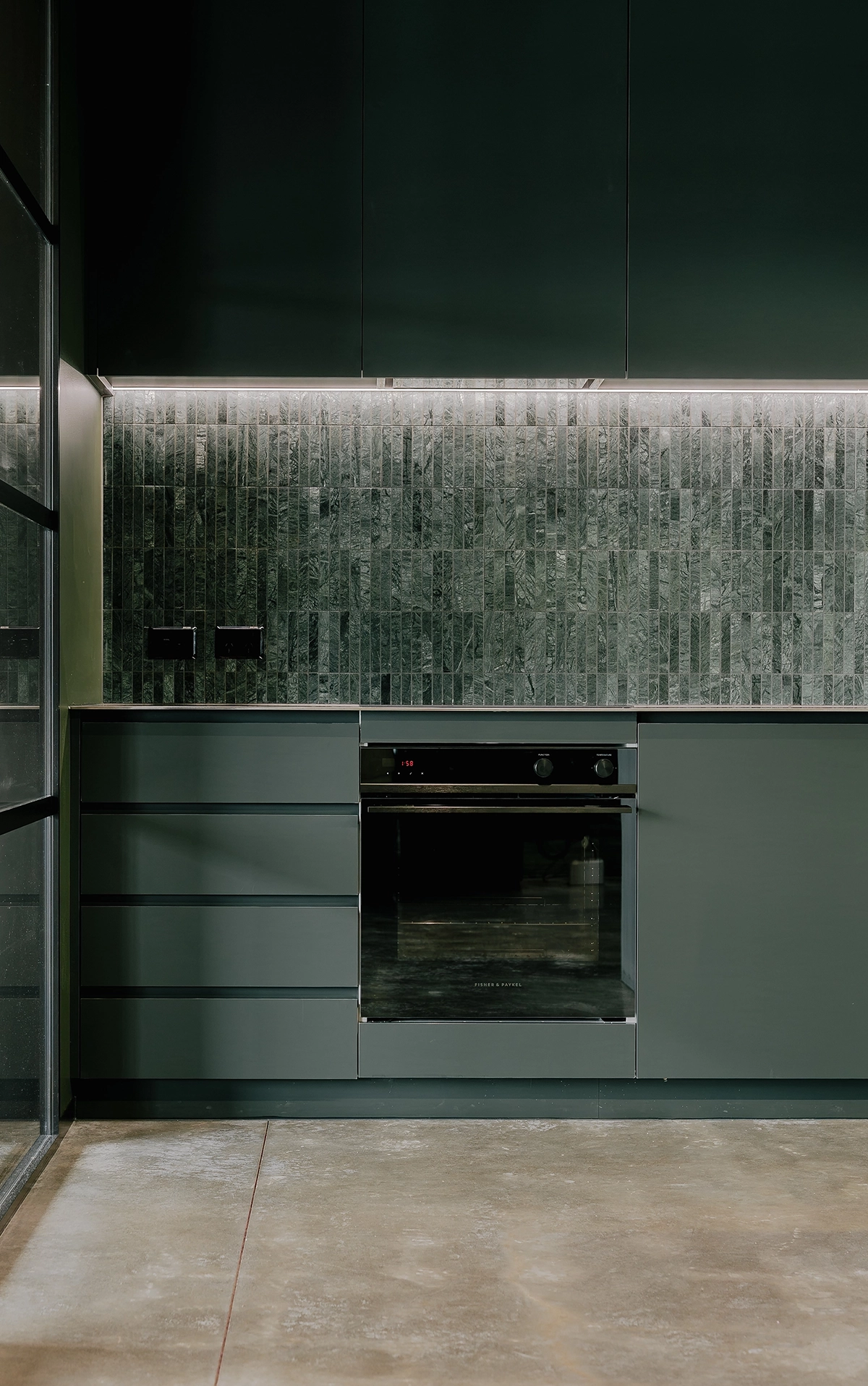
The sealed, non-porous surface of TFL panels is easy to clean and hygienic, requiring no oils, sealers, or specialist maintenance. It’s a practical choice for kitchens, offices, healthcare, and education environments.
Because TFL is manufactured as a finished panel, it eliminates steps in fabrication, reducing installation time and overall cost without sacrificing quality.
TFL is available in a wide range of colours, textures, and finishes, including woodgrain, solid colours, and subtle textures. Designers can achieve cohesive visual storytelling across interiors while keeping the installation simple and predictable.
Many TFL panels are produced from engineered timber substrates sourced from responsibly managed forests, and the material can contribute to low-formaldehyde emissions standards (E0/E1). This makes TFL a responsible choice for environmentally conscious projects.
.webp)
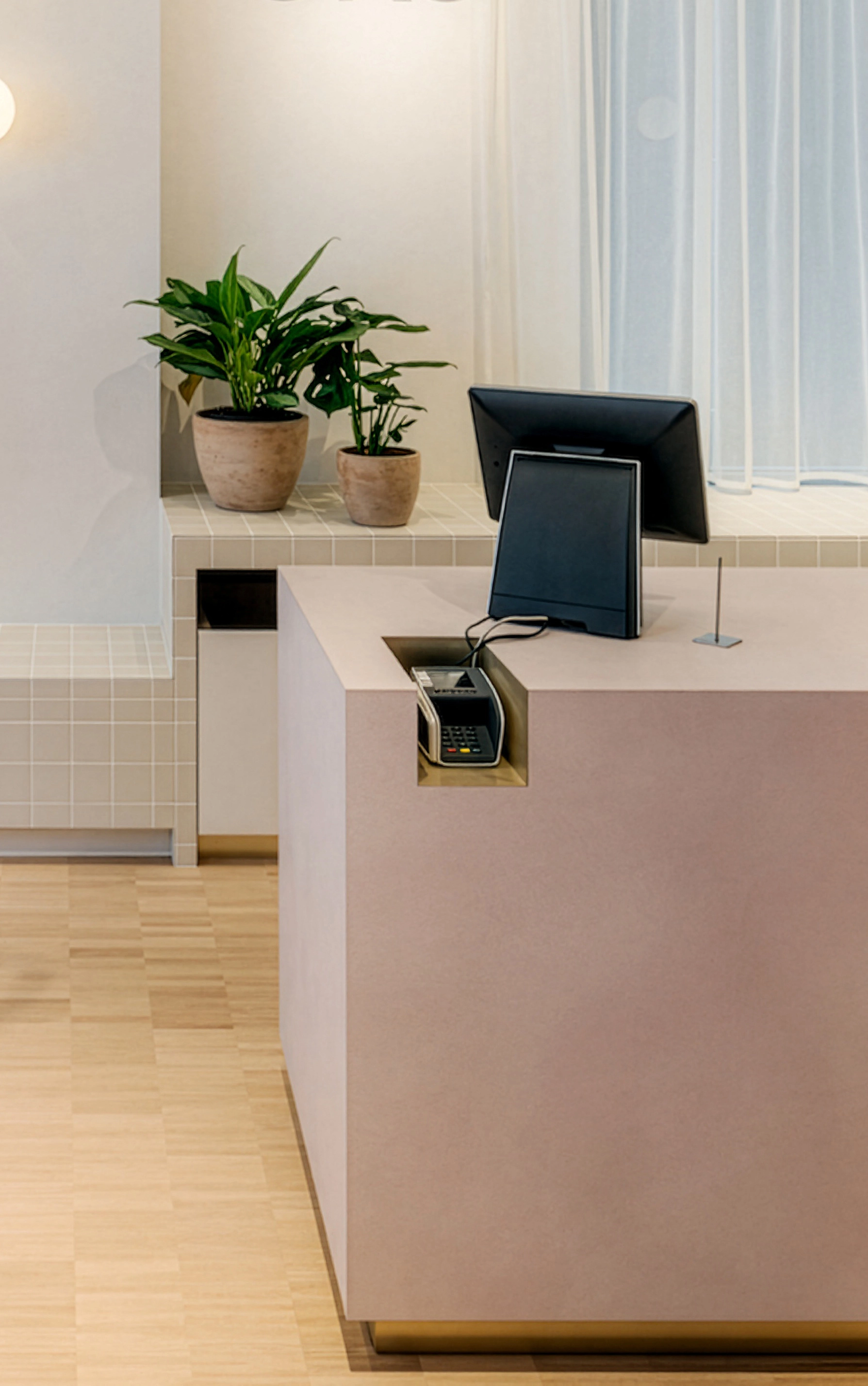
TFL is particularly well-suited to interiors that demand large-scale consistency and practical performance. Common applications include:
It shines in spaces where predictability, uniformity, and ease of maintenance are key considerations.
One of TFL’s most understated advantages is peace of mind. Its predictable performance, consistency, and durability make it easy to specify with confidence. Designers and architects know exactly what they are getting — from colour match to edge detailing to installation.
For projects with tight timelines, multiple sites, or staged builds, this reliability is invaluable.
.webp)
TFL is commonly specified across New Zealand and Australian interiors, including:
Its balance of durability and consistency makes TFL particularly effective in high-traffic, specification-led environments.
Understanding how TFL compares to other surface materials helps clarify where it performs best.
Integrated surface and substrate, consistent finish, durable, and efficient. Best for large-scale joinery and interior systems.
A thicker, multi-layer laminate sheet bonded to a substrate after manufacture. Offers higher impact and heat resistance, often used for benchtops or wall protection.
A thin slice of natural timber applied to a substrate. Offers warmth and natural variation, but often requires sealing, care, and acceptance of inconsistency.
In many interiors, TFL provides the quiet backbone, while HPL or veneer are used selectively for areas requiring additional robustness or natural character.
Understanding TFL in context helps clarify when it should be used:
In practice, TFL provides a reliable backbone across a project, while HPL or veneer may be used selectively for high-impact zones or feature surfaces.
TFL panels used in New Zealand and Australia must meet strict formaldehyde emission standards, including E0 or E1 ratings.
When sourced responsibly and specified correctly, TFL is safe and suitable for all interior environments, including workplaces, education facilities, healthcare settings, commercial and residential interiors.
TFL supports interiors to perform day after day, providing surfaces that are incredibly durable, consistent, easy to maintain, and visually cohesive.
At VidaSpace, TFL is approached as a practical design partner — a material that allows architects, designers, and clients to focus on the creative vision, while resting assured that the surfaces will perform beautifully over time.
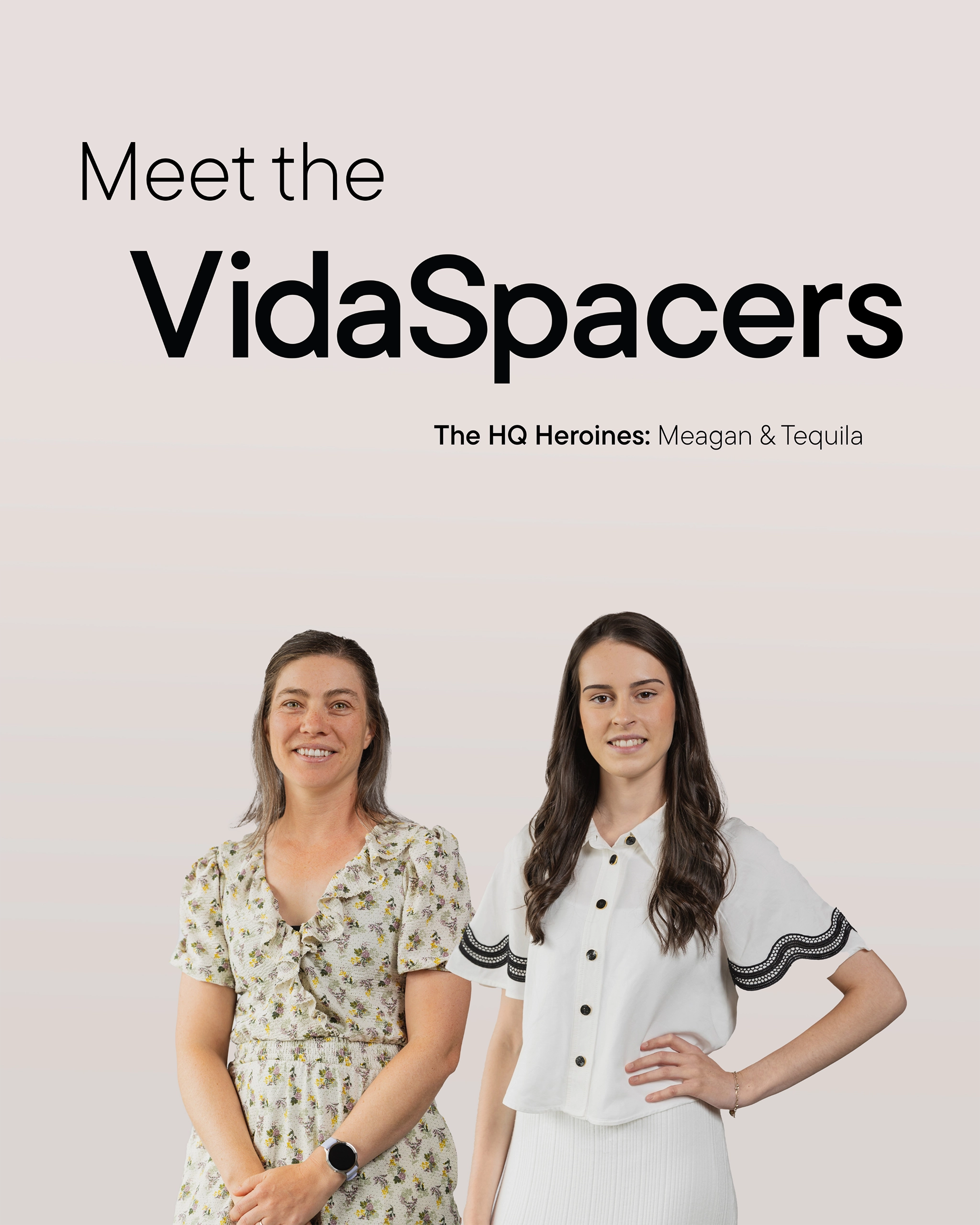
Say hello to our head office team: The HQ Heroines – Meagan & Tequila, with their rapid-fire Q&A.
Read More.webp)
In this chapter of Celebrating Imperfection, we explore texture – the raw, refined, and sometimes unexpected finishes that give timber its depth, dimension, and soul.
Read MoreElevate your interior with VidaSpace. Contact us and one of our team of trained interior designers will be able to guide you through the process.